The only chalk coastline in the north of England.
Though it’s a wee bit of a drive from Loftus, I really wanted to revisit Flamborough during our week of in early June. I’d not been to Flamborough’s coastline since 2015, over a decade. A lot has changed since then, personally and nationally.
Flamborough Head and Bempton Cliffs are home to the only chalk coastline in the north of England. Dating from around 100 to 70 million years ago, these cliffs contain a greater amount and variety of cave habitats than any other chalk site in Britain. The largest ones even extend more than 150 ft inland from their entrances at the shore. There’s also other landforms, including stacks, natural arches, and blowholes.
There are plenty of routes you can take around this area. We skipped the main head on this occasion, electing for Thornwick Bay as the tide was out, the Nab, and further west that we’d ever gone for magnificent views of the Bempton Cliffs.
All photos taken on my iPhone 17 Pro Max. RAWs developed in Lightroom, then edited and finalised in Photoshop.
Flamborough, East Riding of Yorkshire, Summer © 2026 by Ian Cylkowski is licensed under CC BY-NC-SA 4.0.
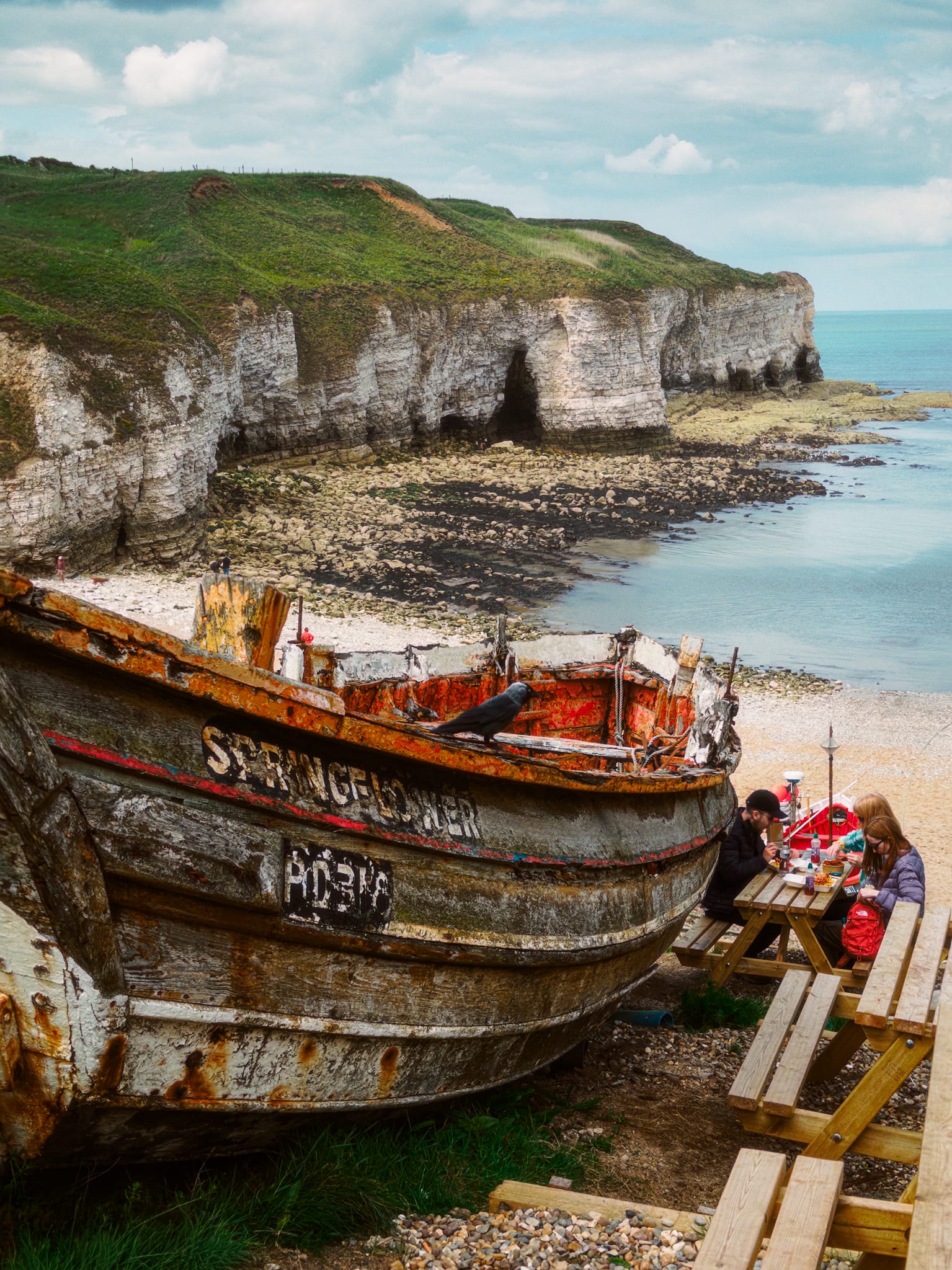
The view as you leave the North Landing car park and head down to the sea. Pretty spesh, eh? As the tide was out, this gave us the opportunity to explore along the shoreline and check out some the bay’s wonderful little nooks and crannies.
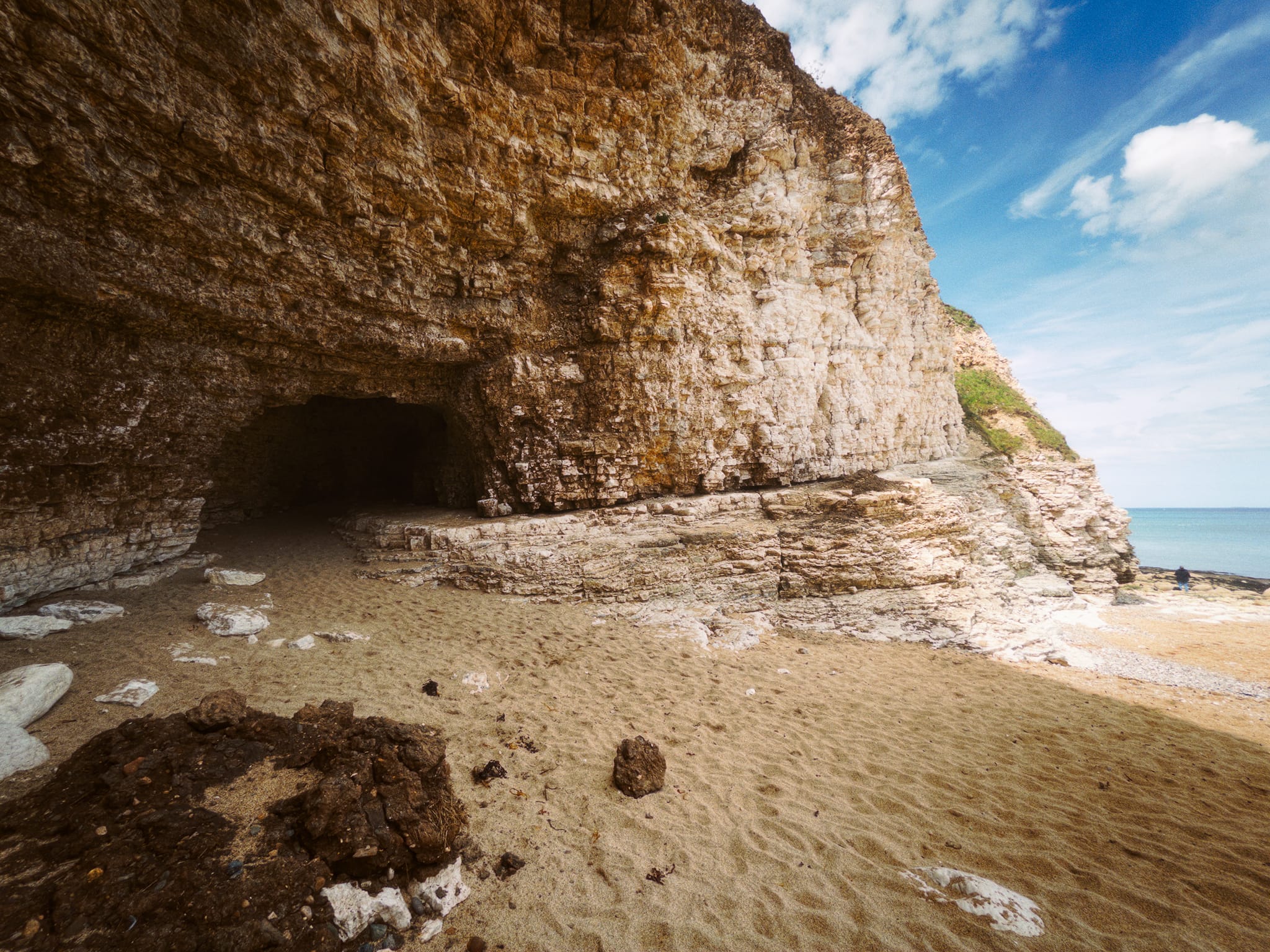
One of many caves along the western cliffs of North Landing. Rather than solutional caves like you get in the Yorkshire Dales, these are formed by the North Sea relentlessly exploiting existing fractures and weaknesses within the chalk formations.
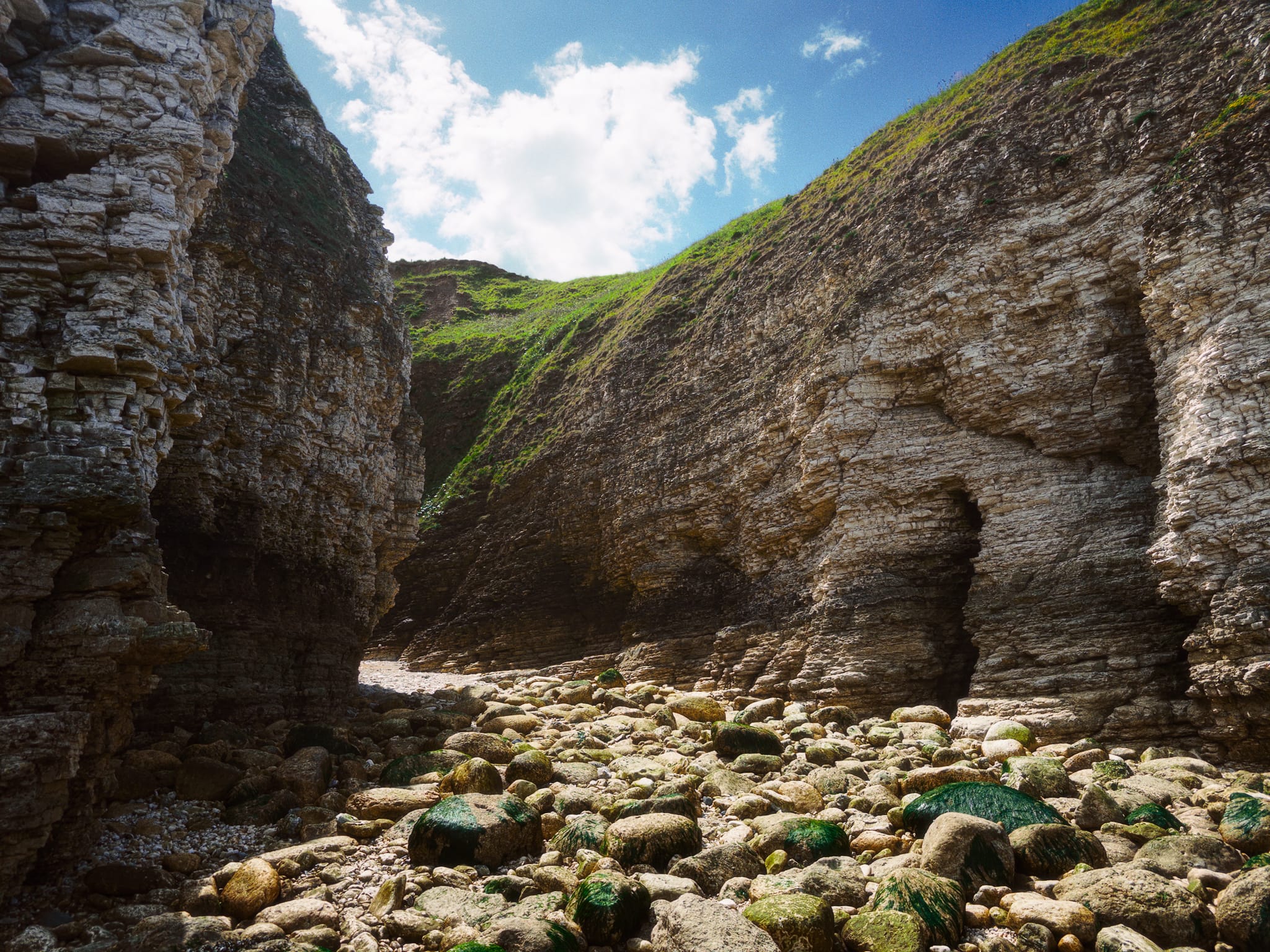
Some of the North Sea’s work is so great that mini gorges have been gouged out of the coastline, like this one.
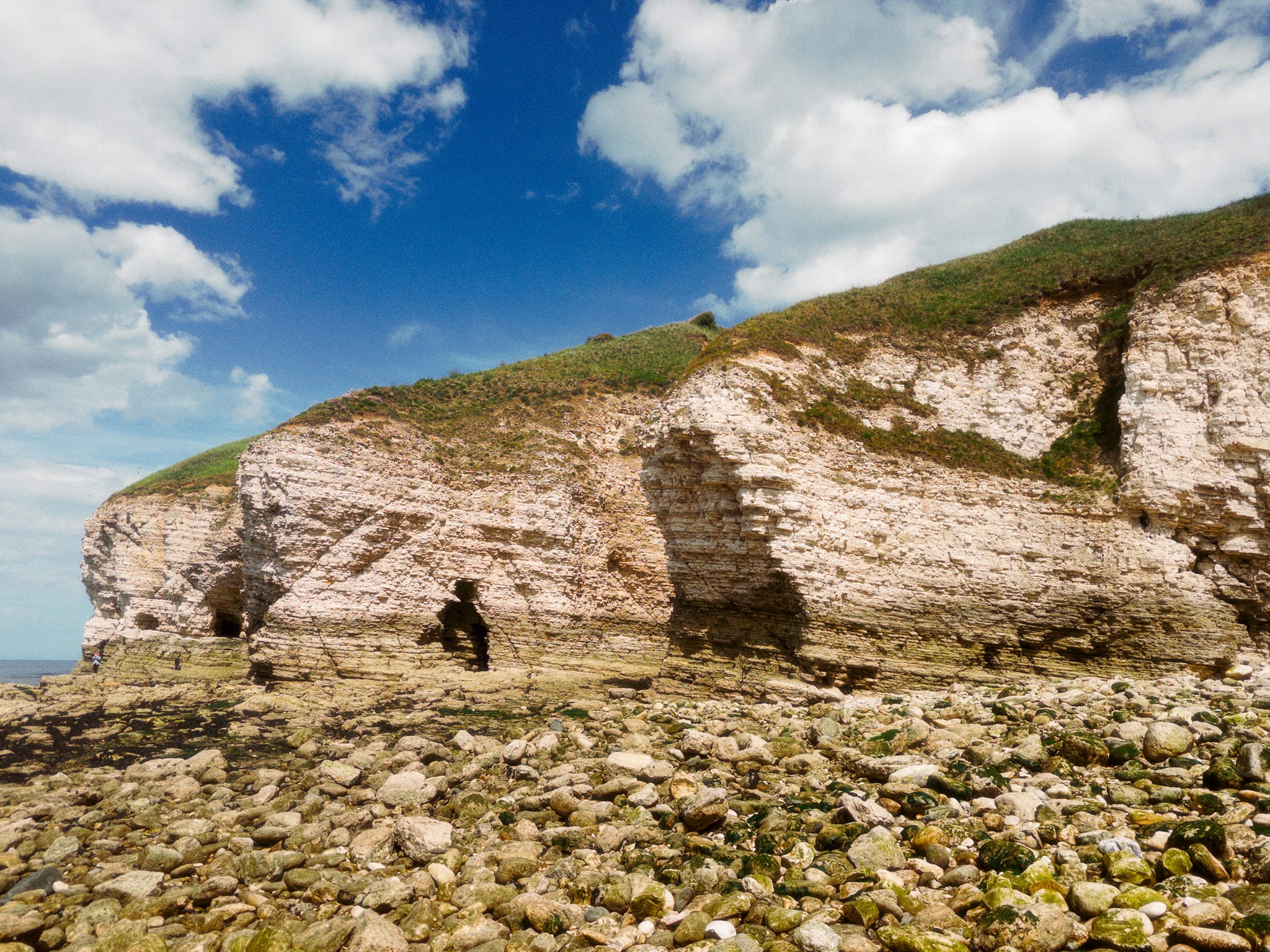
The eastern cliffs of North Landing, featuring the eroded strata and numerous little caves pockmarked across the cliffs.
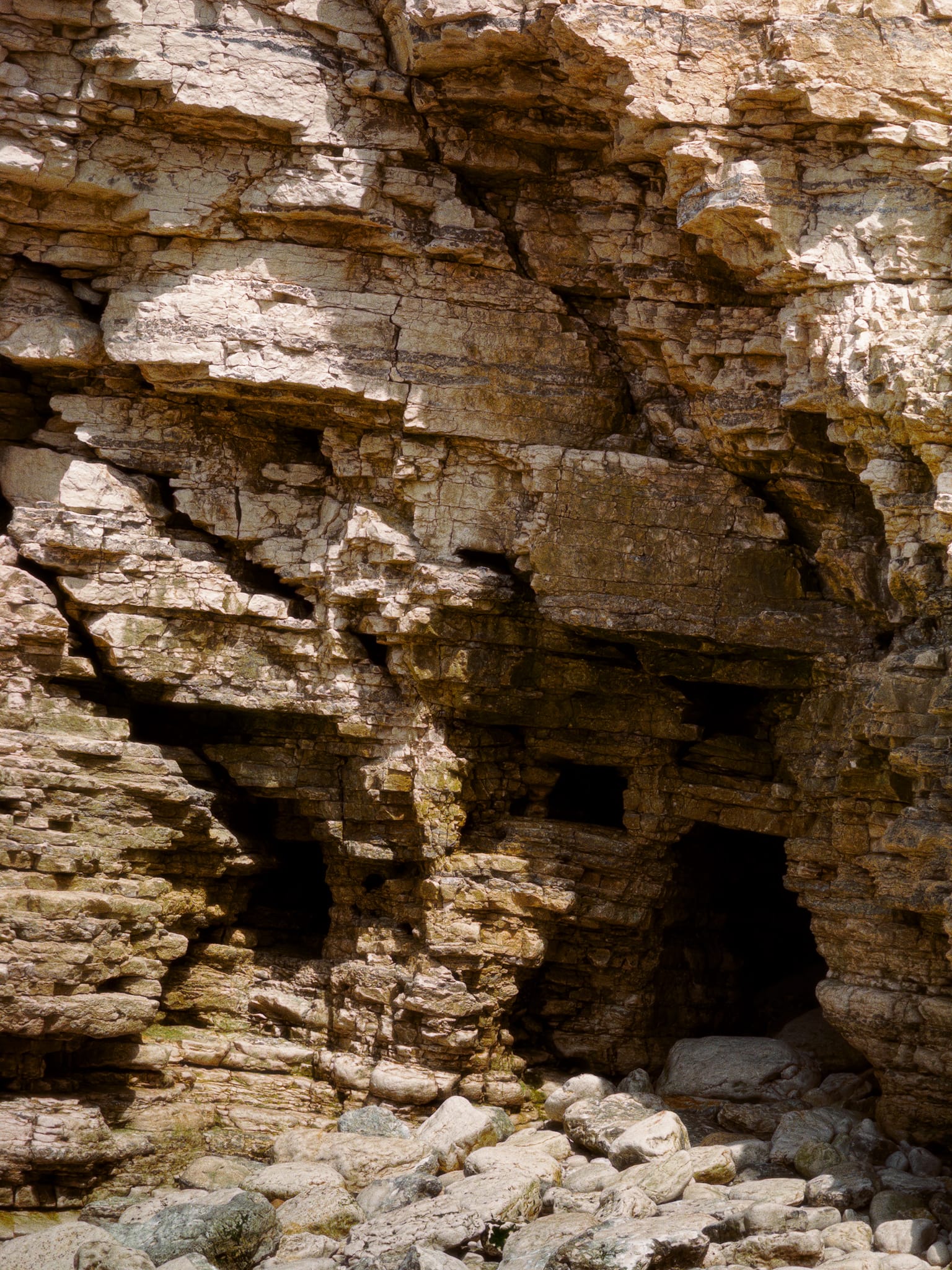
Almost looks like a little house made of Jenga blocks, dunnit? Just one of many caves along the eastern cliffs of North Landing.
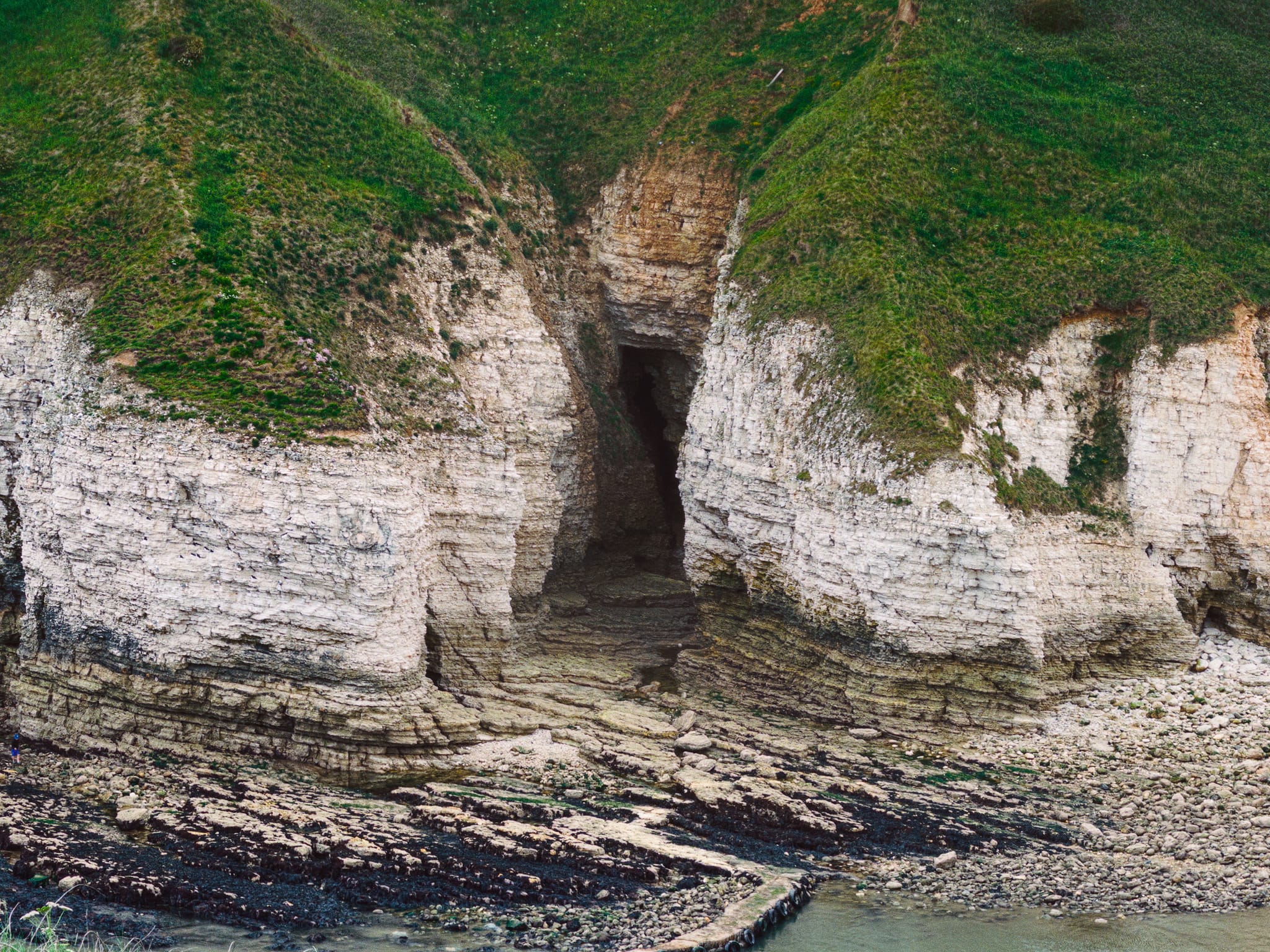
A particularly deep cave from the top of the cliffs. I wasn’t brave enough to wander into this one.
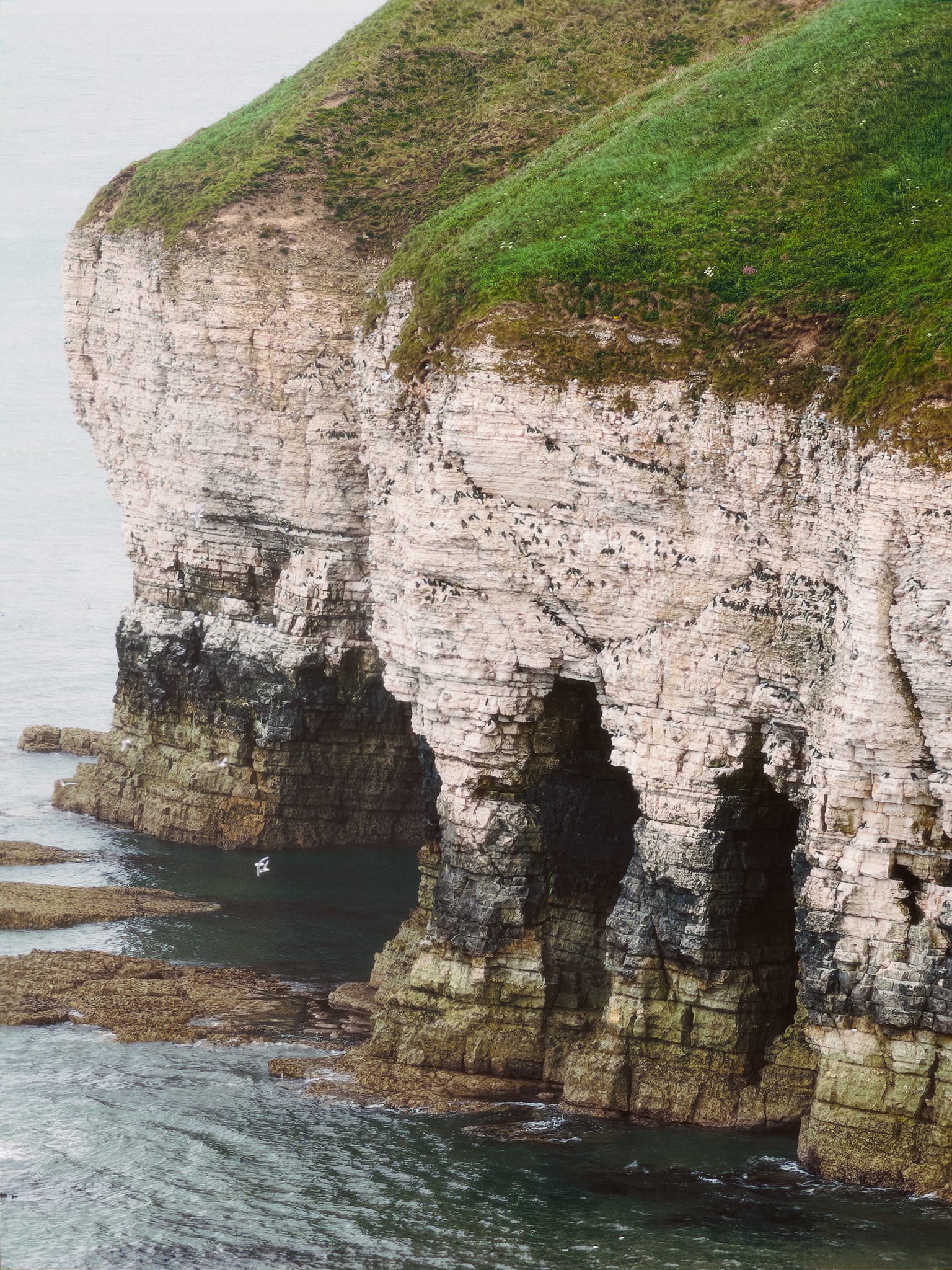
Interweaving arches and caves that one can thread in and out of. Also pictured, hundreds of sea birds, such as northern gannets, kittiwakes and Atlantic puffins.
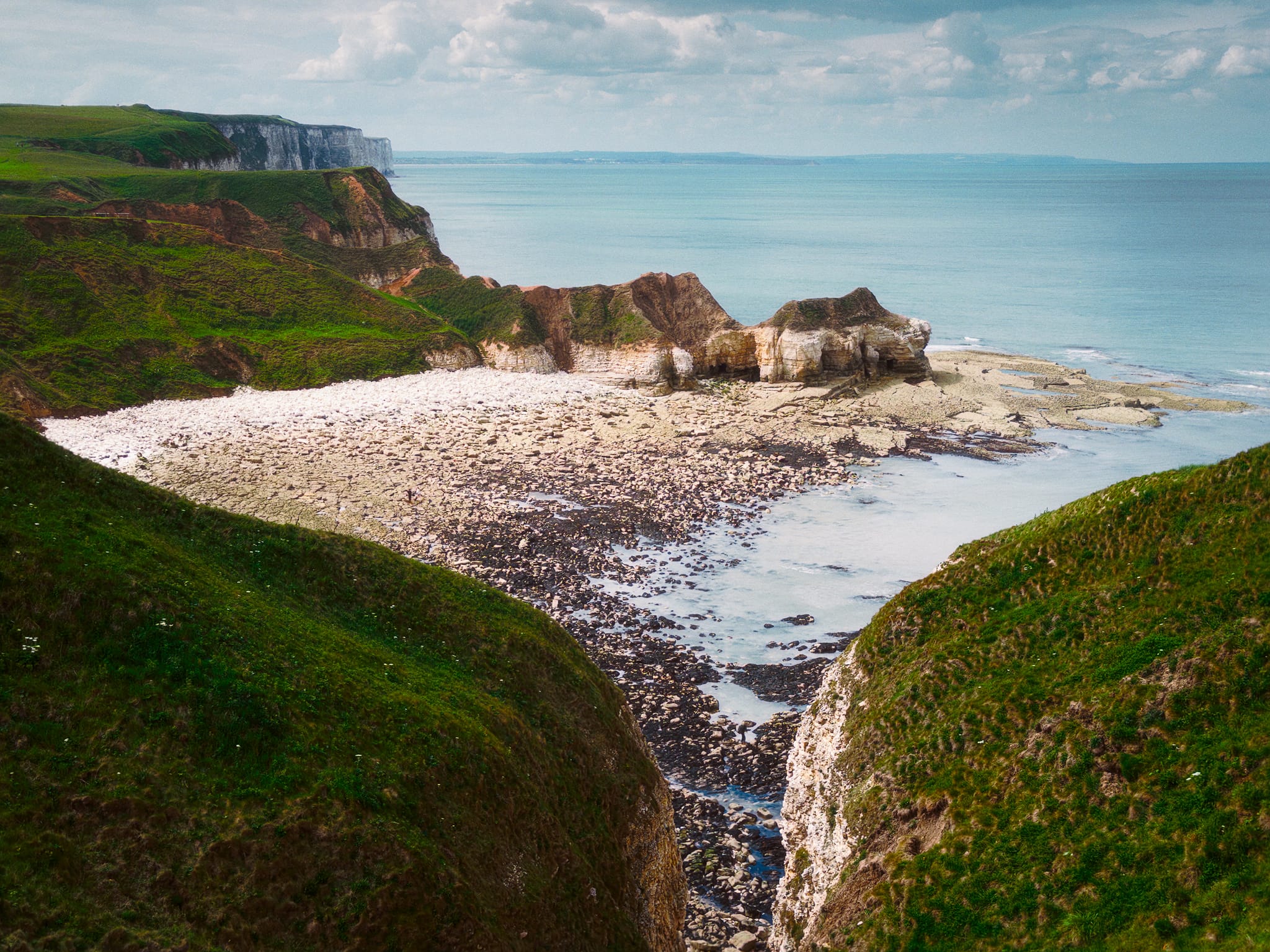
An utterly astounding view of Thornwick Bay from the top of North Landing’s western cliffs. Further in the distance, to the left, are the Bempton Cliffs.
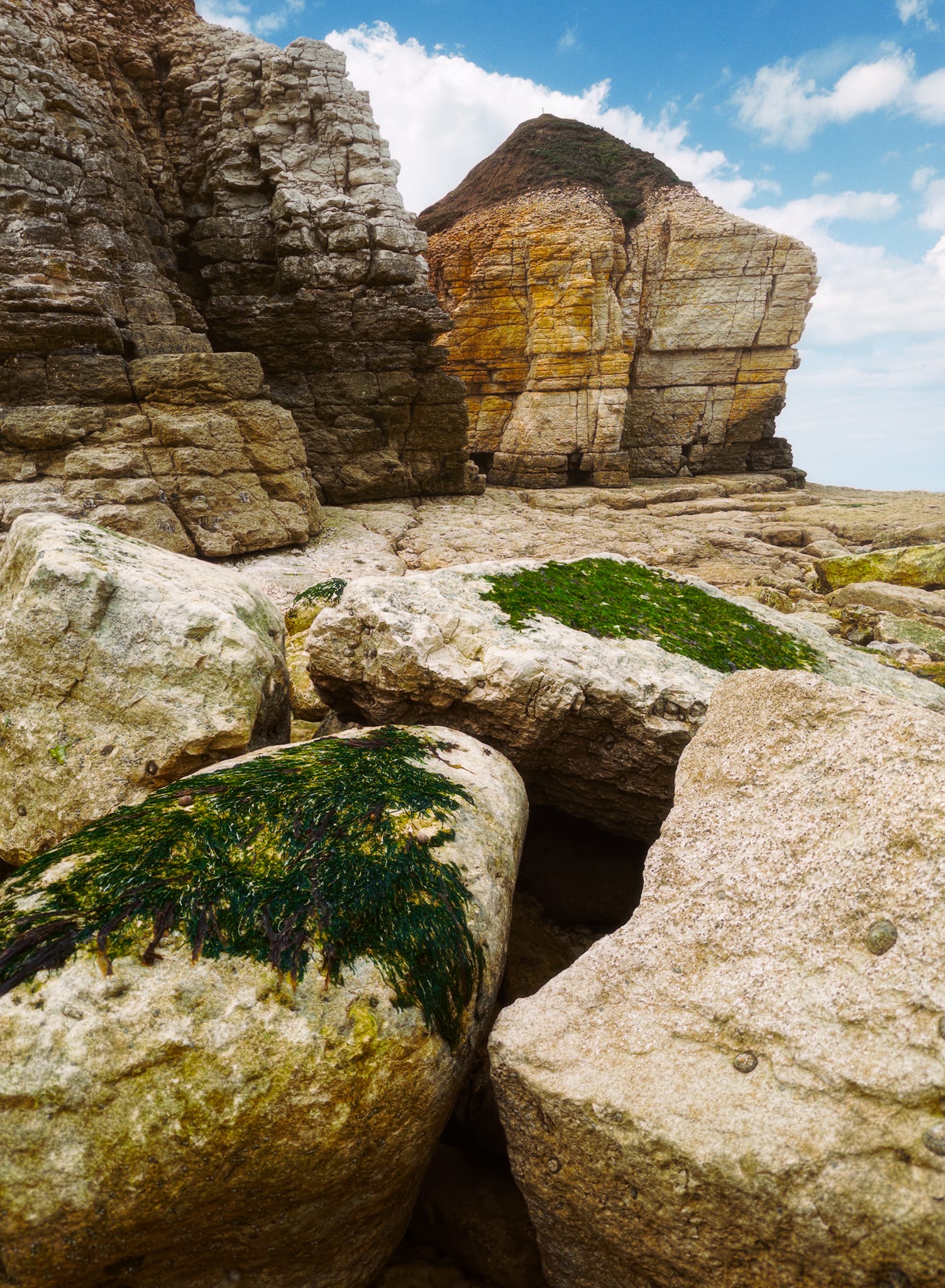
With only a small window whilst the tide was out, we quickly clambered down the cliffs to explore Thornwick Bay. Chalk boulders gave me this nice composition towards the curiously-shaped Thornwick Nab.
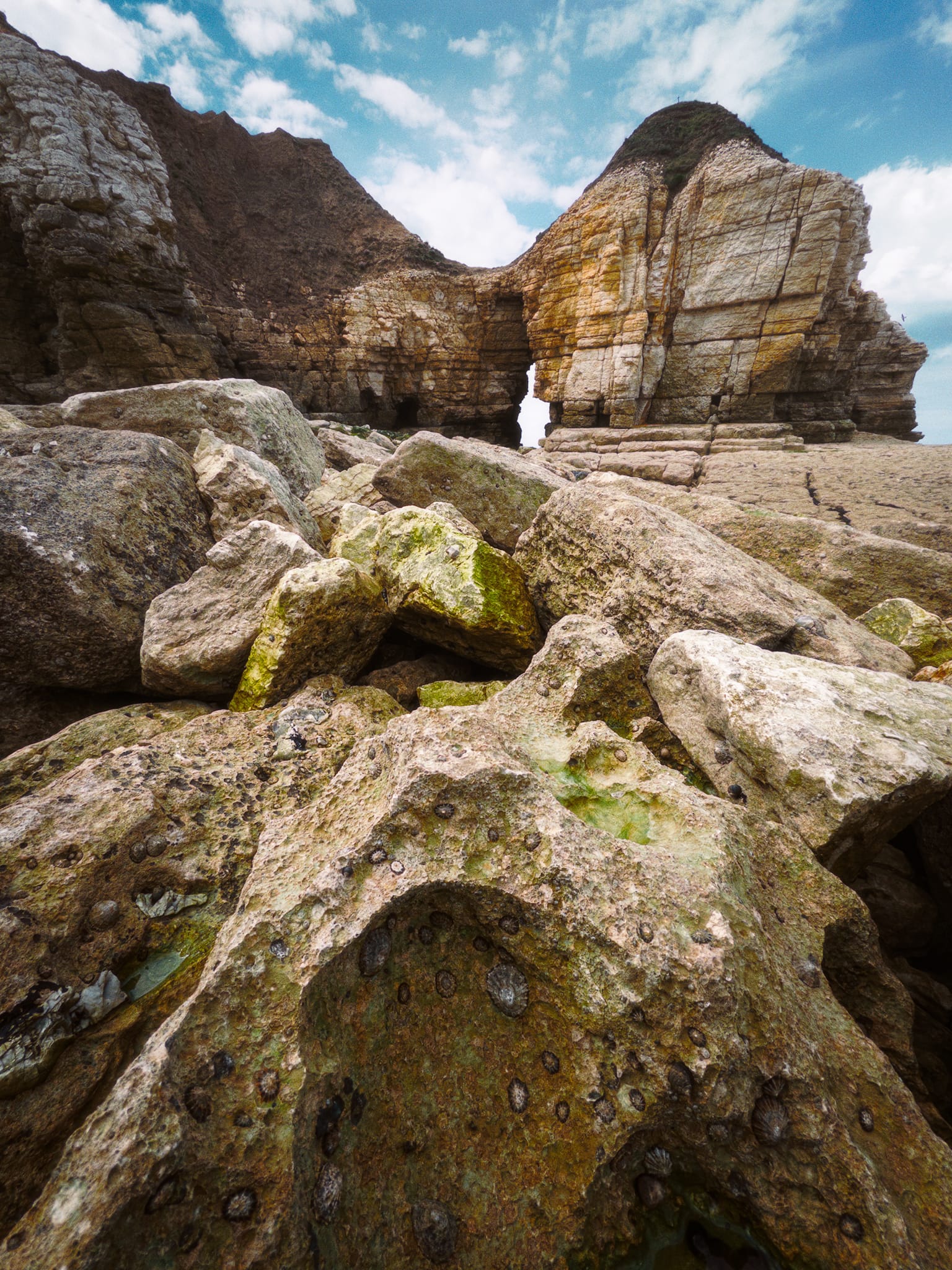
A bit further around the Nab, these sea-sculpted chalk boulders gave me another composition that could also feature the “door” separating Thornwick Nab from the rest of the cliffs.
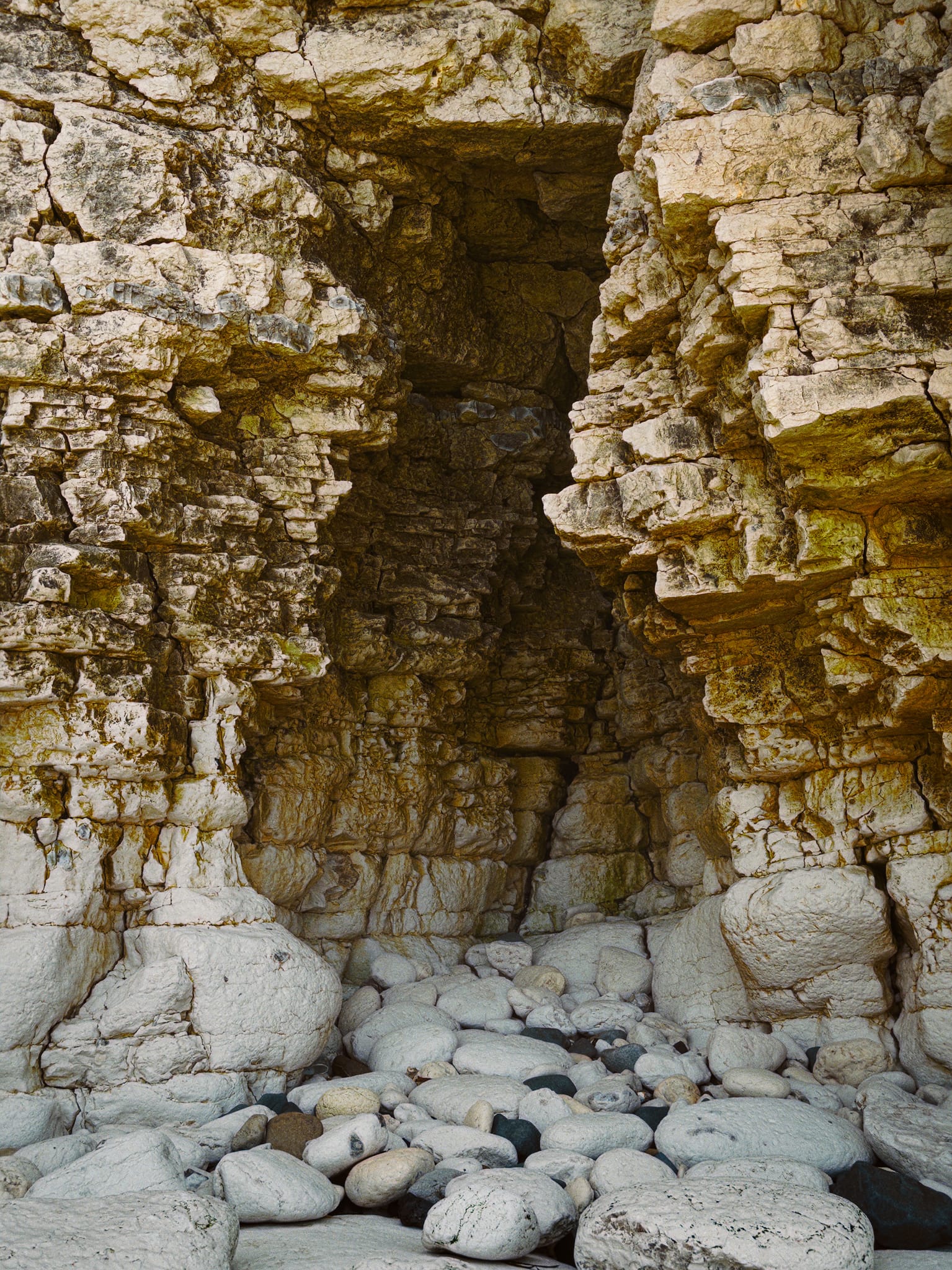
A secret little inlet within Thornwick Bay. I found the transition from smooth, sculpted rocks at the bottom to block-like structures above fascinating.
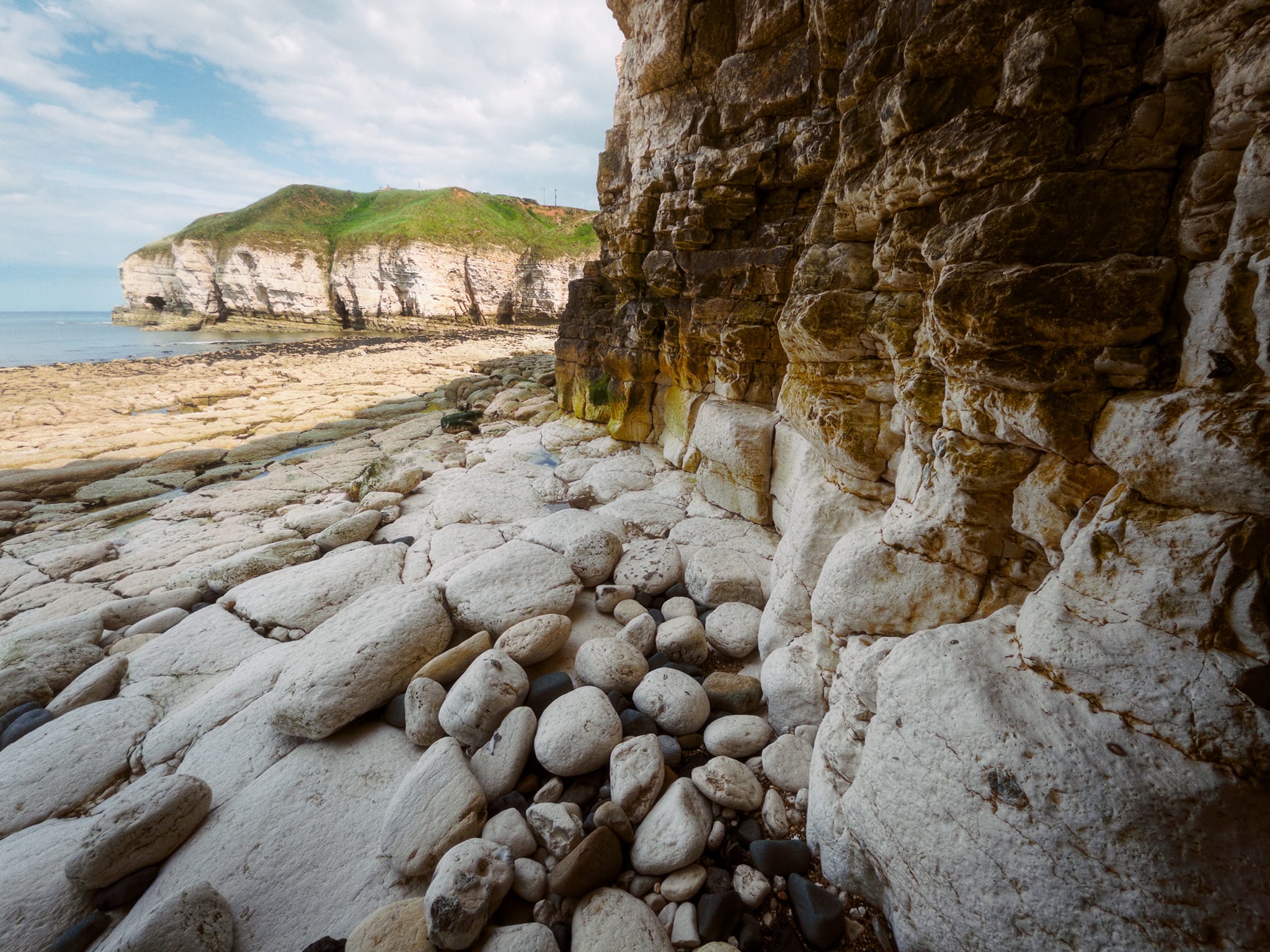
I tucked myself deep under the cliffs to get the contrast between shade and the light striking Thornwick Bay’s eastern cliffs. A nice contrast of dark and light, smooth and blocky, boulders and pavement.
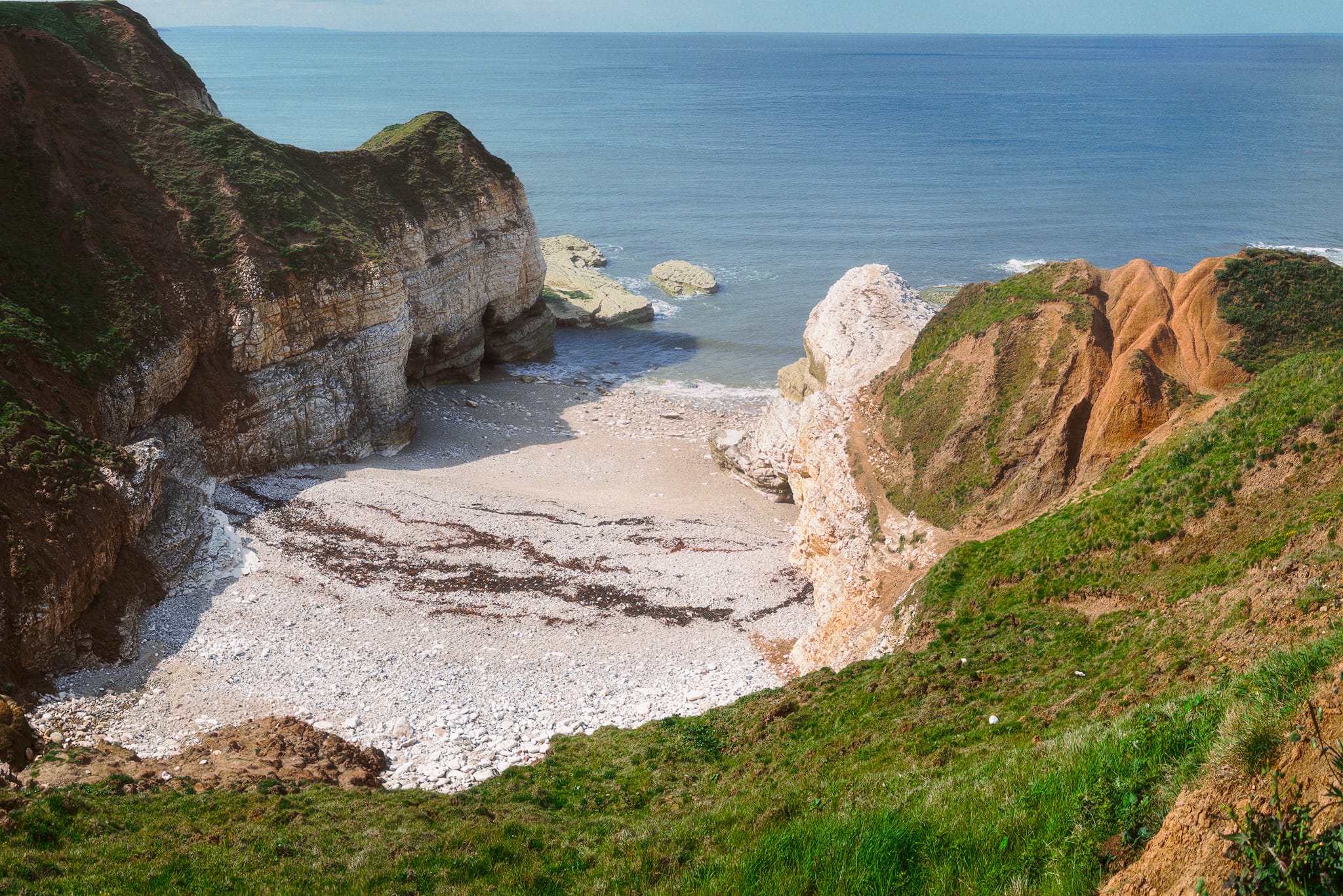
Little Thornwick Bay from directly above. This photo is a panorama of three vertical 100mm/4x shots, left to right, then stitched together in Lightroom.
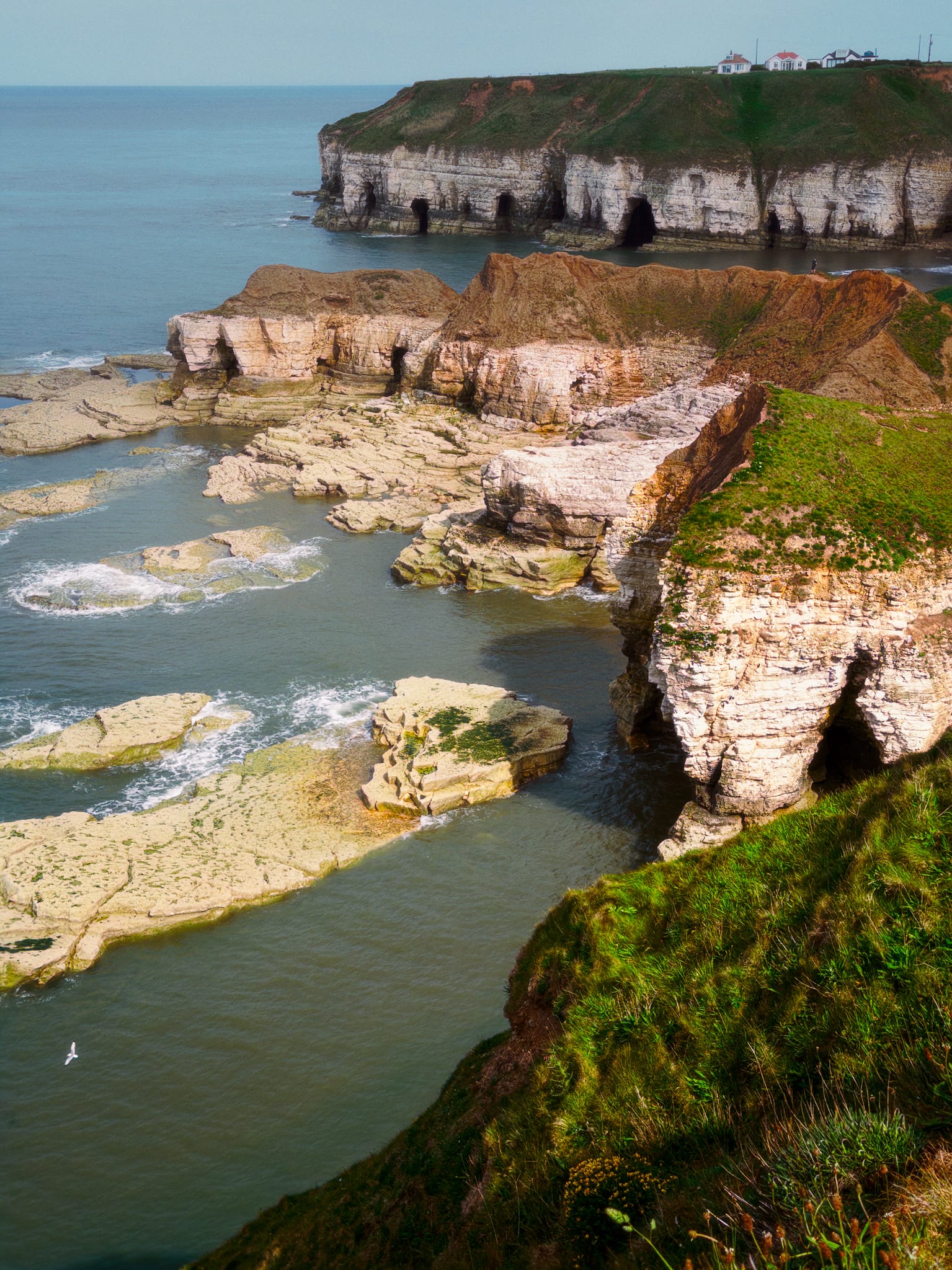
An incredible view. Near, the cliffs and Nab of Thornwick Bay, with the bay’s eastern cliffs in the distance. Not a bad spot for a house… if you’re confident they’ll remain in place for long enough.
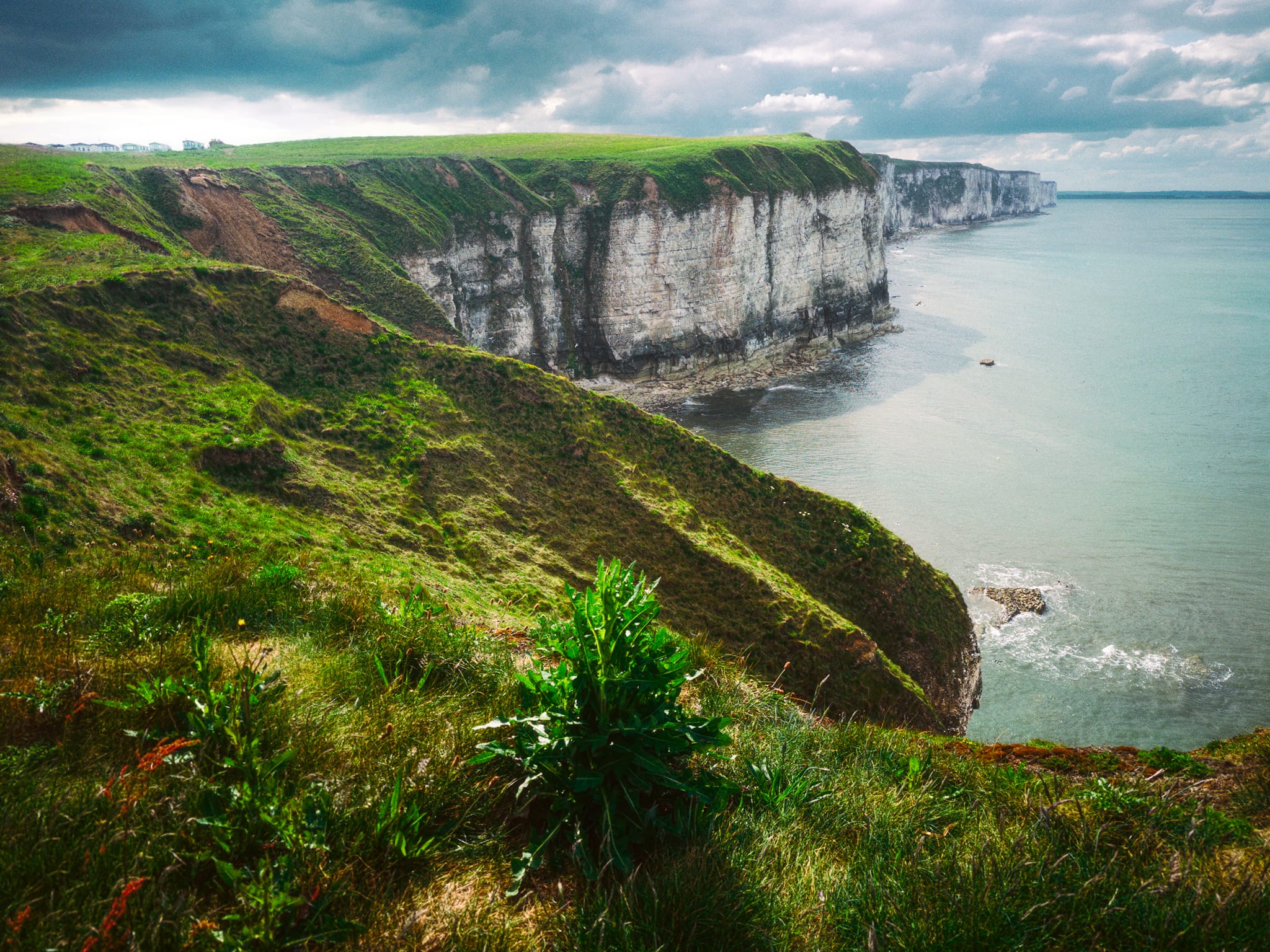
On the OS map, I could see a rising headland further west of Thornwick Bay, so decided to hike up for a peek. I was greeted with this ridiculous view of the Bempton Cliffs, receding into the distance, accompanied by the cries of thousands of sea birds. Unbelievable.