I have a lot of love for Newcastle.
The last time I visited the city was over a decade ago. Too long.
During our recent stay in Tynemouth we picked a more murkey weather day to take the metro inland for a jaunt around Newcastle city.
Once one of the world’s largest ship building centres during the Industrial Revolution, Newcastle has become a hub for scientific research, finance, tourism, and nightlife.
A single day is not enough to explore what Newcastle has to offer.
All photos taken on my iPhone 17 Pro Max. RAWs developed in Lightroom, then edited and finalised in Photoshop.
Newcastle-upon-Tyne, Tyne & Wear, Spring © 2026 by Ian Cylkowski is licensed under CC BY-NC-SA 4.0.
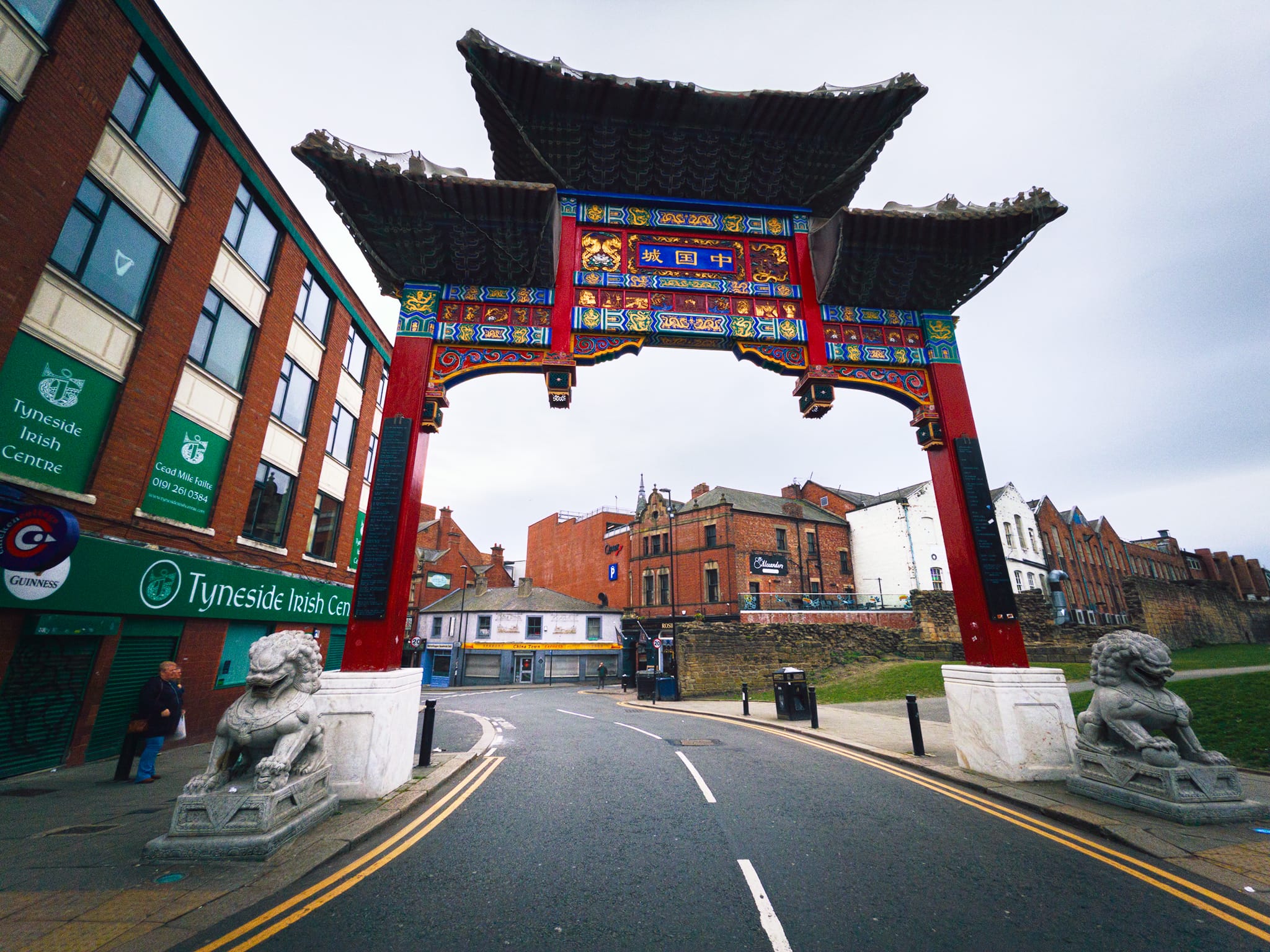
Upon leaving the Metro at St. James’, we spotted this fantastic paifang-style Chinese Imperial arch serving as a gateway to Newcastle’s Chinatown area.
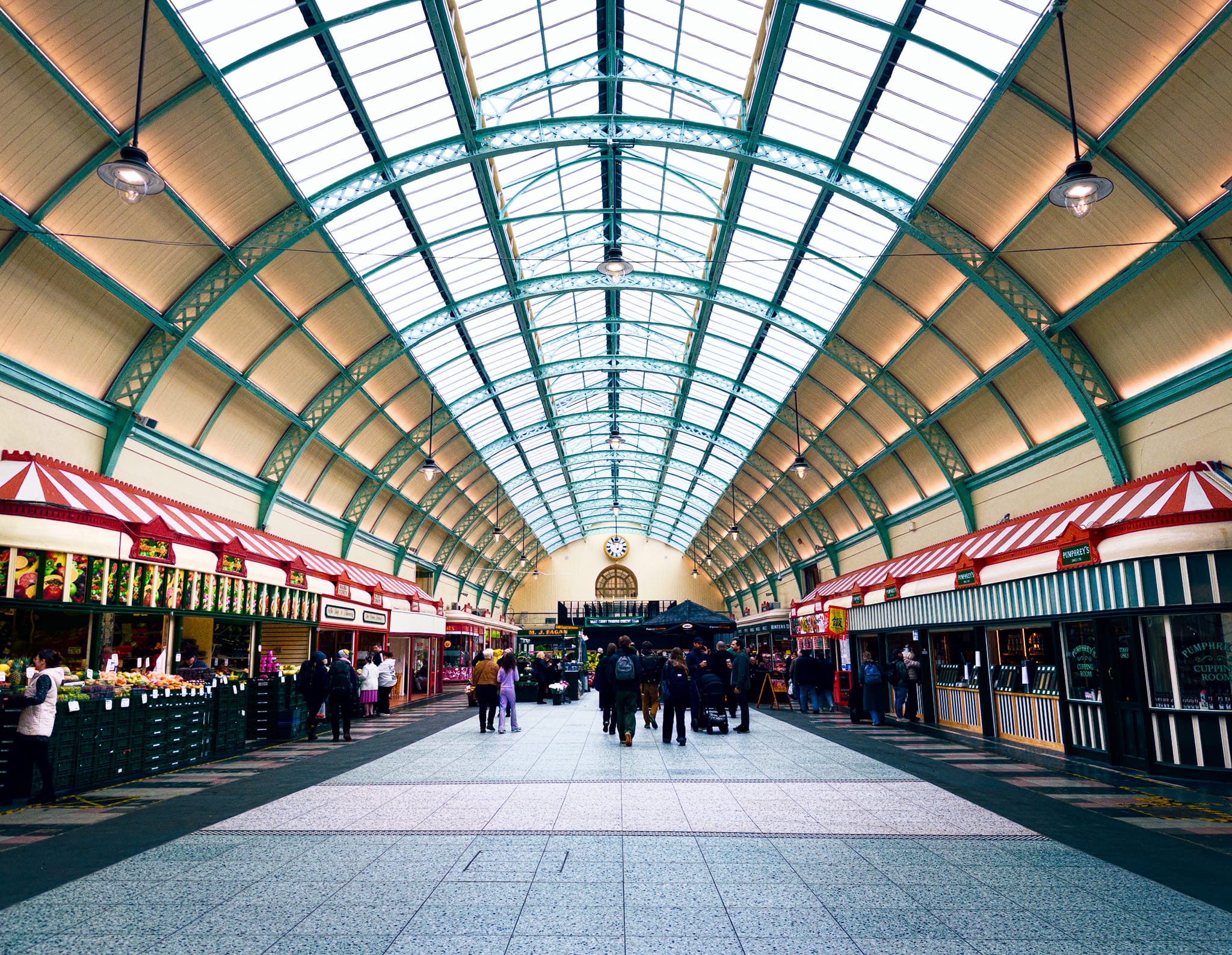
It’s always nice to see some of the UK’s cities maintaining their Victorian-era indoor market spaces. This is Grainger Market, opened in 1835, complete with typical Victorian features like ironwork and a barrelled glass roof.
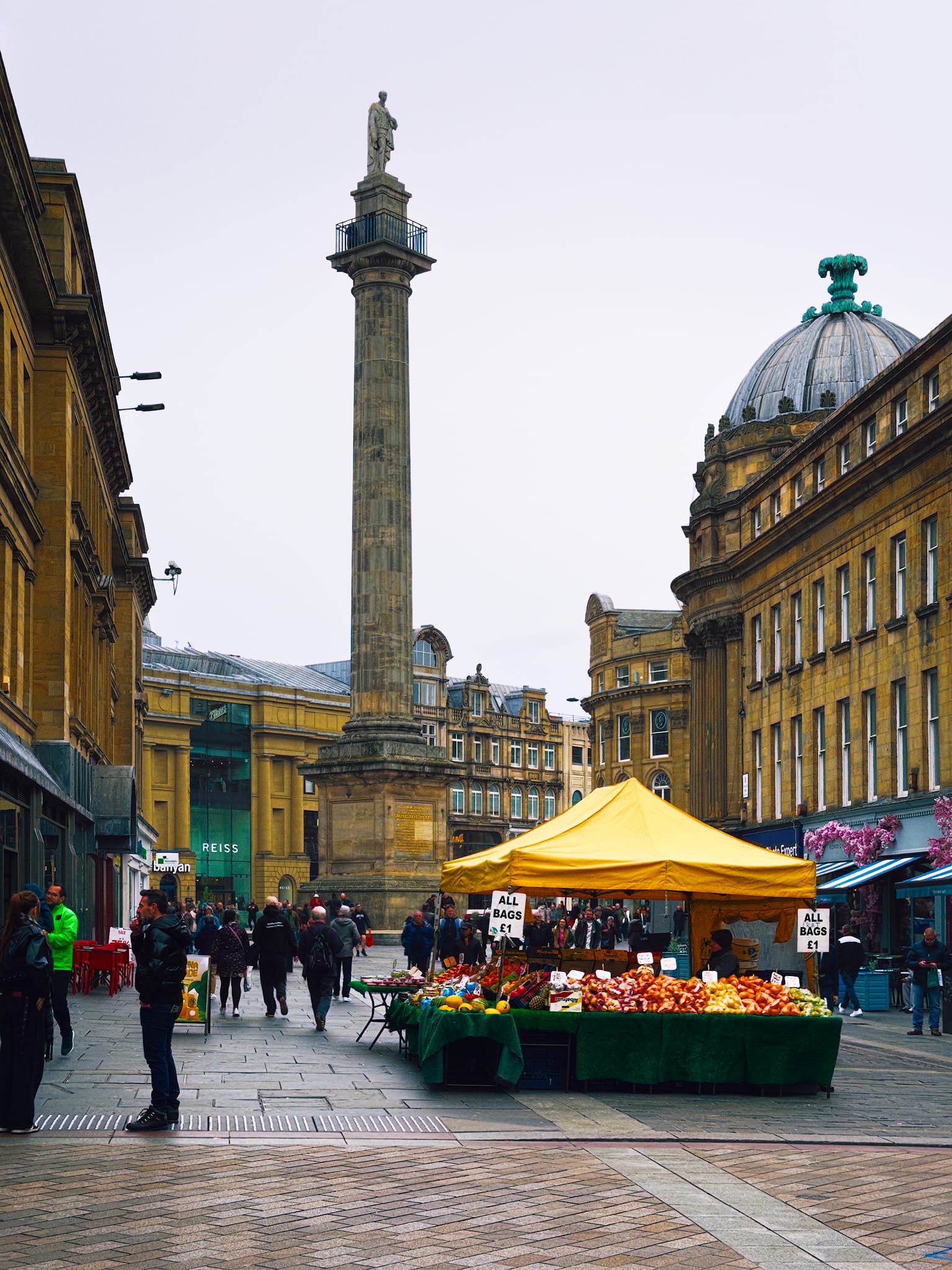
From a lot of areas in the city you can see Grey’s Monument, thus making it an excellent waymarker. Completed in 1838, it commemorates Charles Grey, 2nd Earl Grey and his role in helping pass the Great Reform Act of 1832. This Act reduced corruption, abolished rotten boroughs, increased eligible participation of the electorate by over 50%, and gave representation to industrial towns.
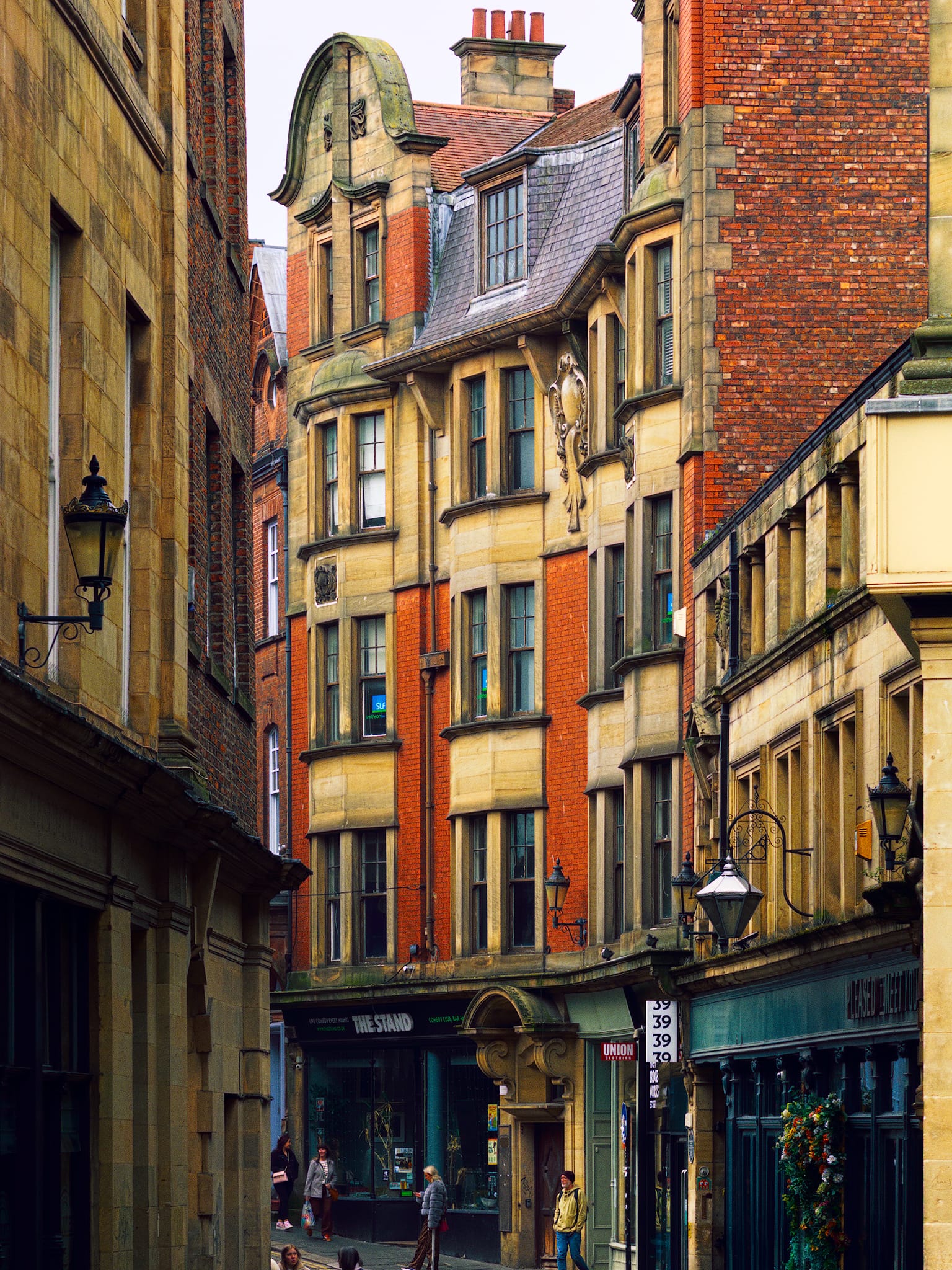
The western area of High Bridge, featuring prominent red brick and stone detailing in the buildings. The street was called such because of the bridge that once spanned the Lort Burn, which is now underground.
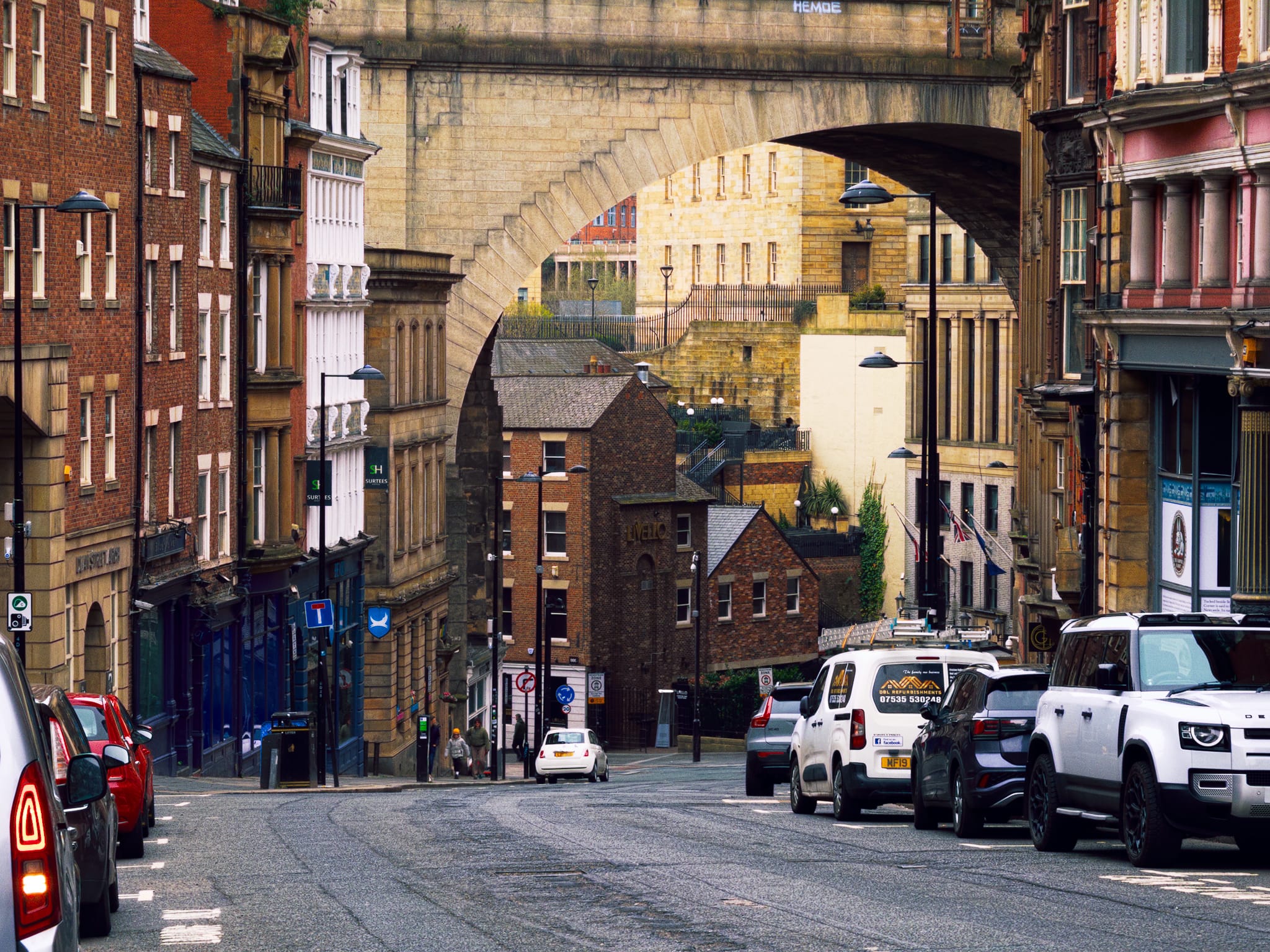
Something that blew my little mind, that I never paid attention to a decade earlier, was the scale of some of the road and railway bridges that criss-crossed the city. This is Dean Street showing the Dean Street Arch, a massive Victorian railway viaduct that towers over the road.
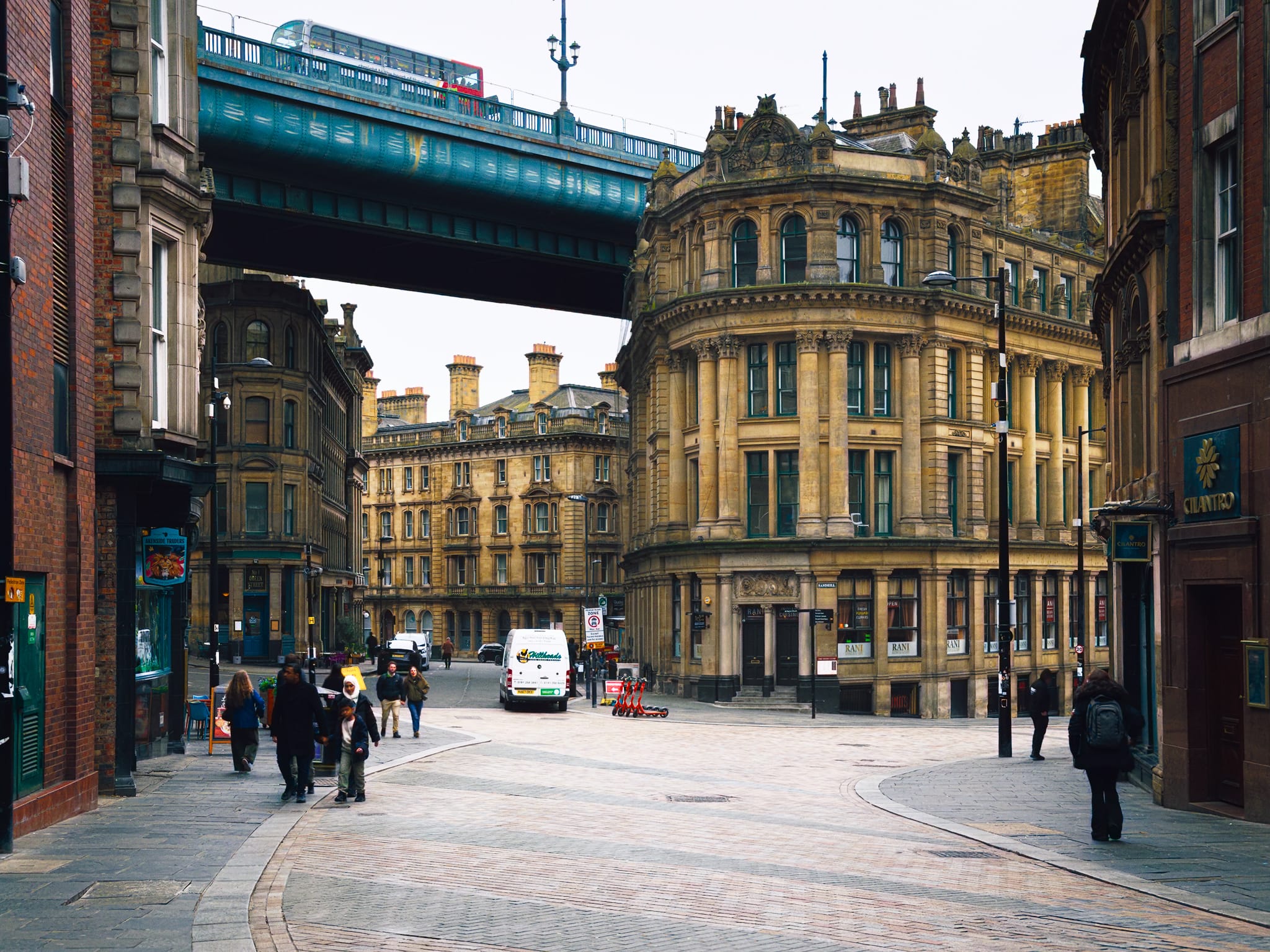
This image attracts and intrigues me. It puts me in mind of Dieselpunk or Steampunk vibes, y’know? This is the view heading down Quayside, showing off the Phoenix House — a Grade II listed building constructed in 1869 for the Royal Insurance Company — and the Tyne Bridge that fits snugly overhead.
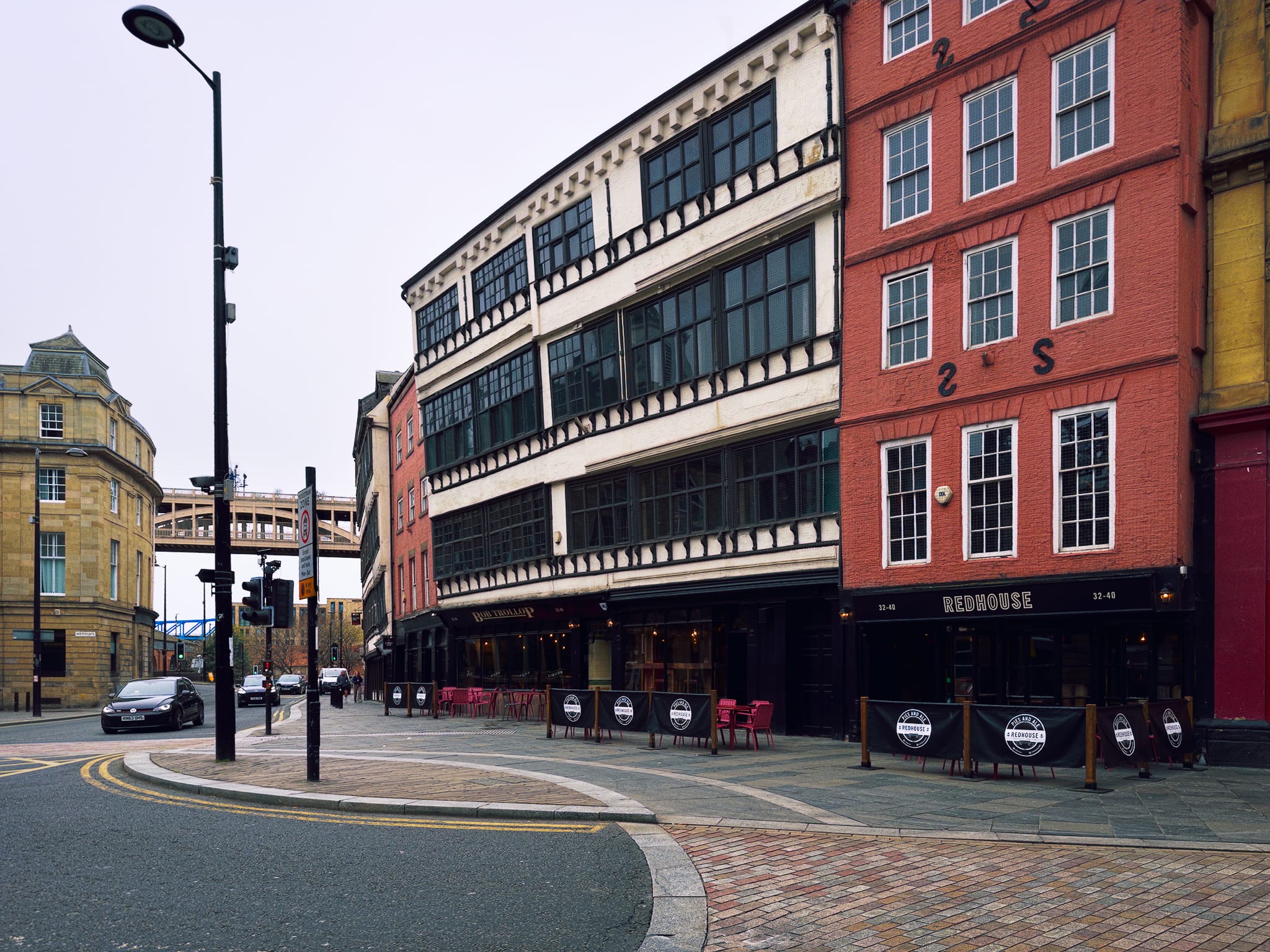
Newcastle has managed to retain some older architecture. In between the two red buildings is Bessie Surtees’ House, comprising of two five-storey 16th and 17th century merchants’ houses, excellent examples of Jacobean domestic architecture.
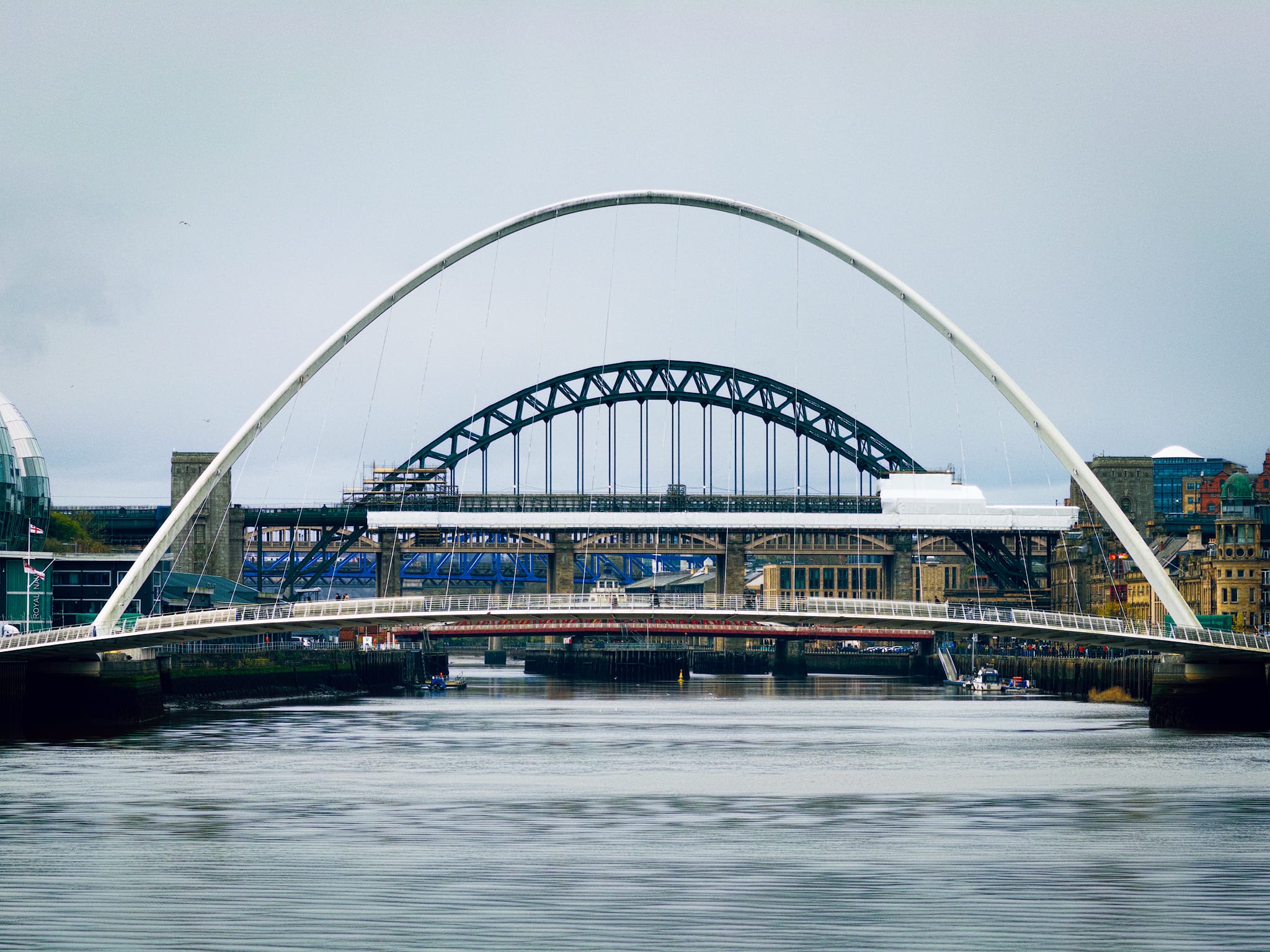
Making it to the riverside, we sought compositions of the many bridges that span the Tyne. You can clearly see how murky the weather was. All in all, I think there are seven bridges in this image: the Gateshead Millennium Bridge in the immediate foreground, the Tyne Bridge (green steel), the Swing Bridge (red and white low-level one), High Level Bridge (double-decked road and rail bridge), Queen Elizabeth II Metro Bridge (the blue one), the King Edward VII bridge (rail crossing), and the (modern concrete bridge in far distance). Phew!
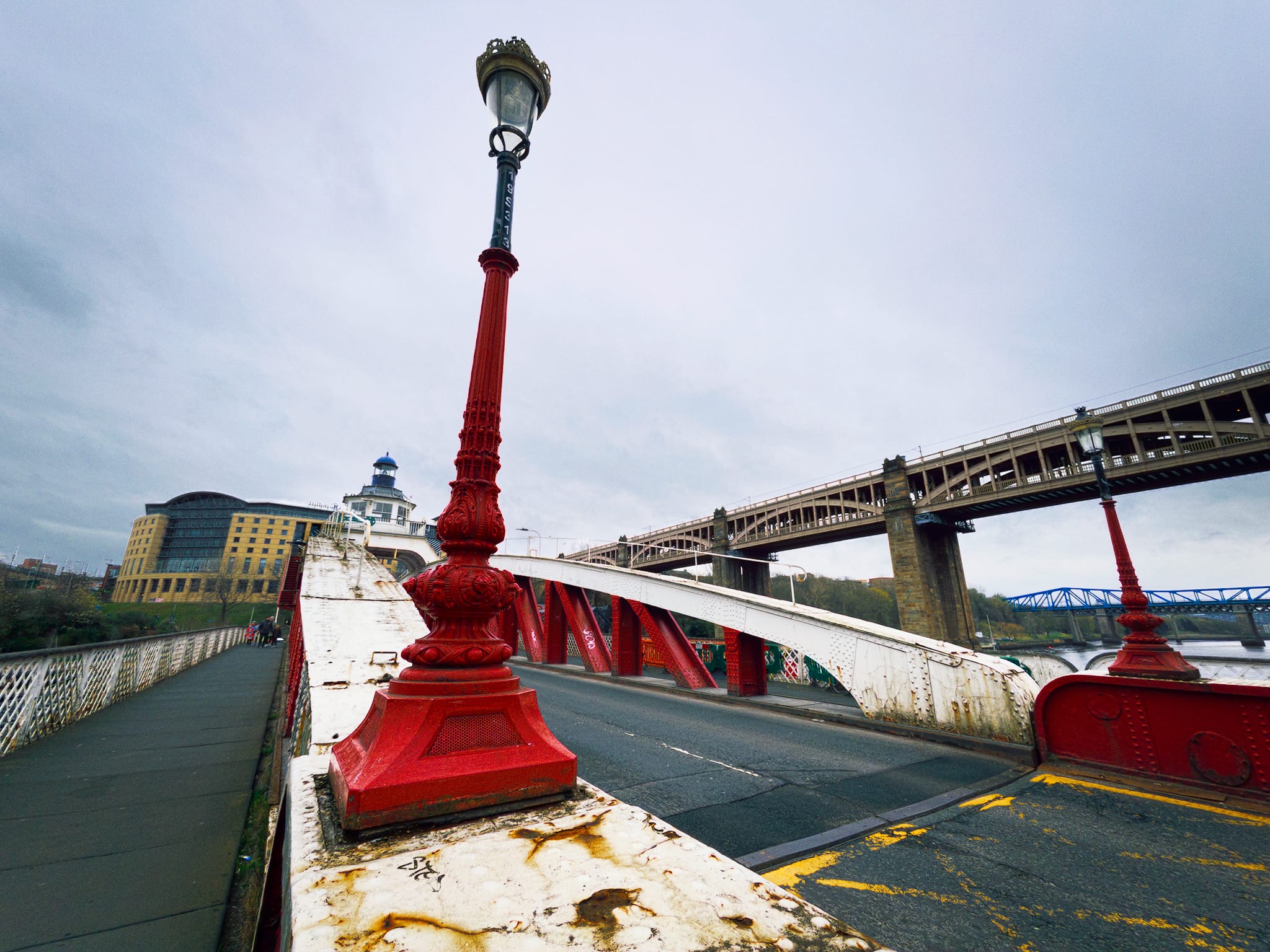
This is the Swing Bridge in question, which connects Newcastle to Gateshead. Built in 1876, it was once the largest swing bridge of its kind in the world. It has not, however, successfully rotated since 2019.
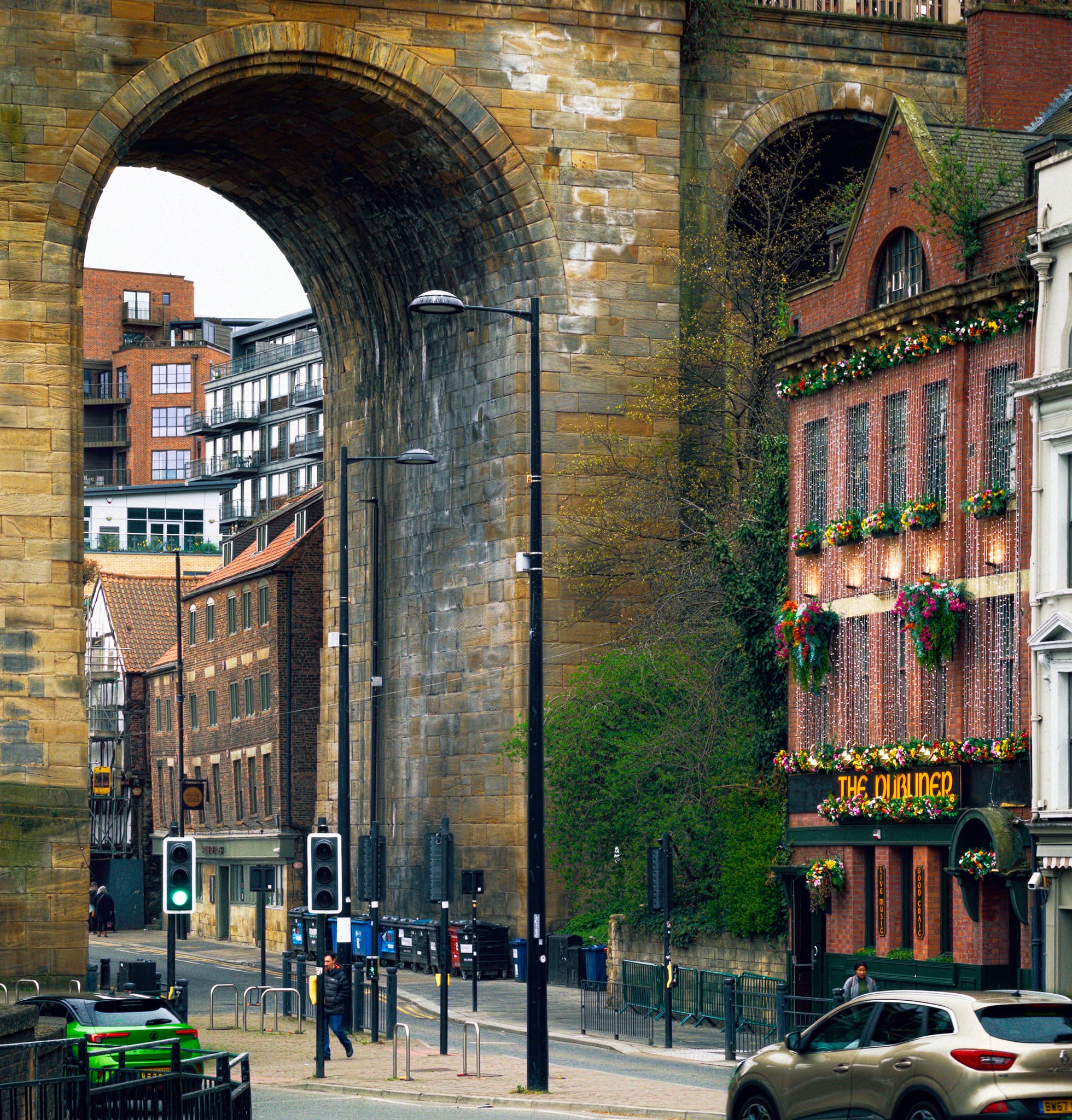
I really wanted to communicate the sense of scale in this image by removing as much sky as possible. This is the Quayside area, showing the massive stone archway of High Level Bridge towering above the lovely Dubliner pub. Two images were taken, stitched top to bottom, in order to properly capture the scale of the scene.
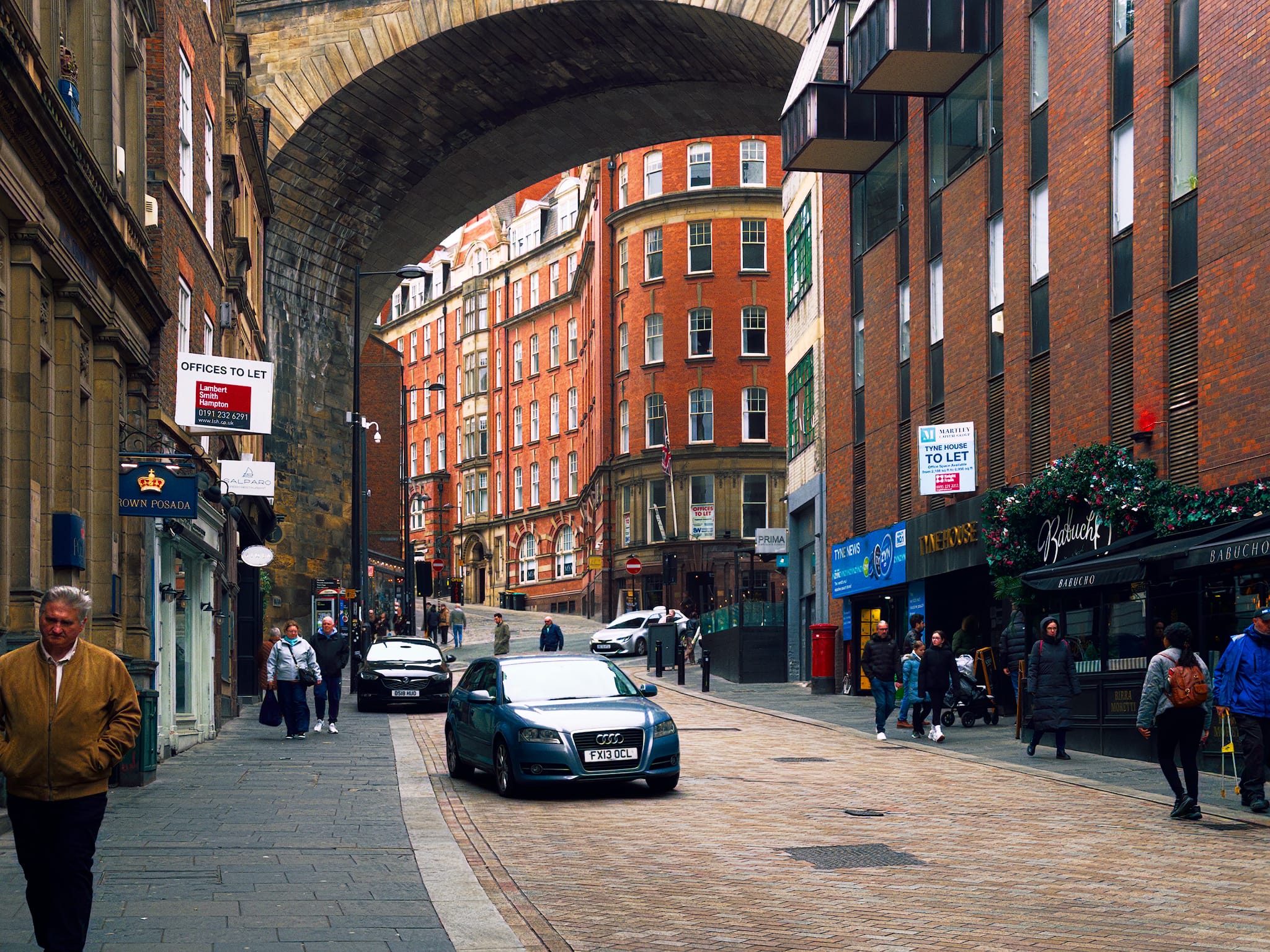
Heading back up Dean Street from Quayside, again the huge archway of High Level Bridge stops me in my tracks and gives me steampunk vibes.
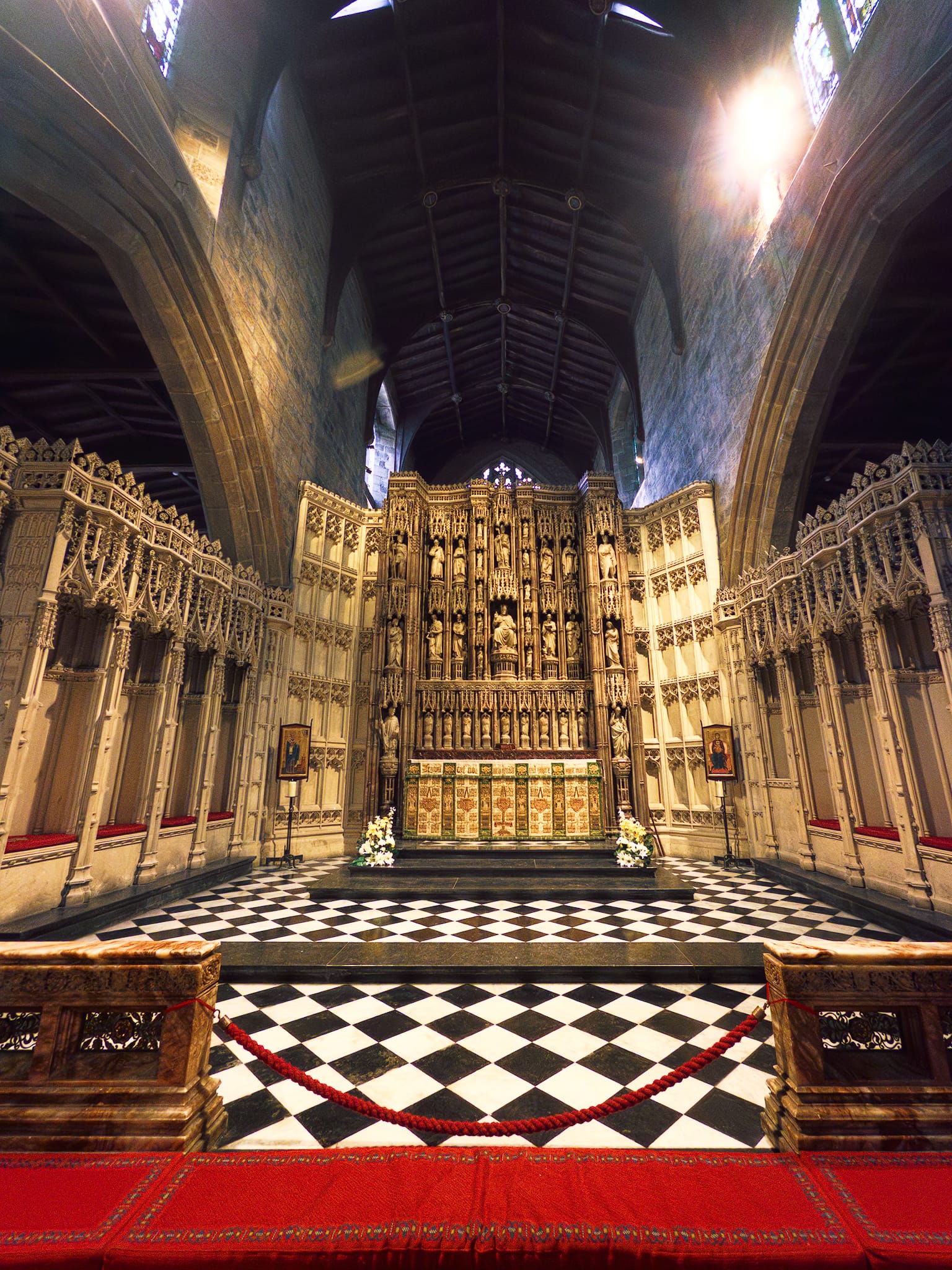
Hidden away from Dean Street up a little ginnel is Newcastle Cathedral. Only a city could “hide” a cathedral within it. We had to nip in for a look. This is the ornate High Altar plus the intricately carved reredos behind it. Newcastle Cathedral dates back to around 1350 CE.
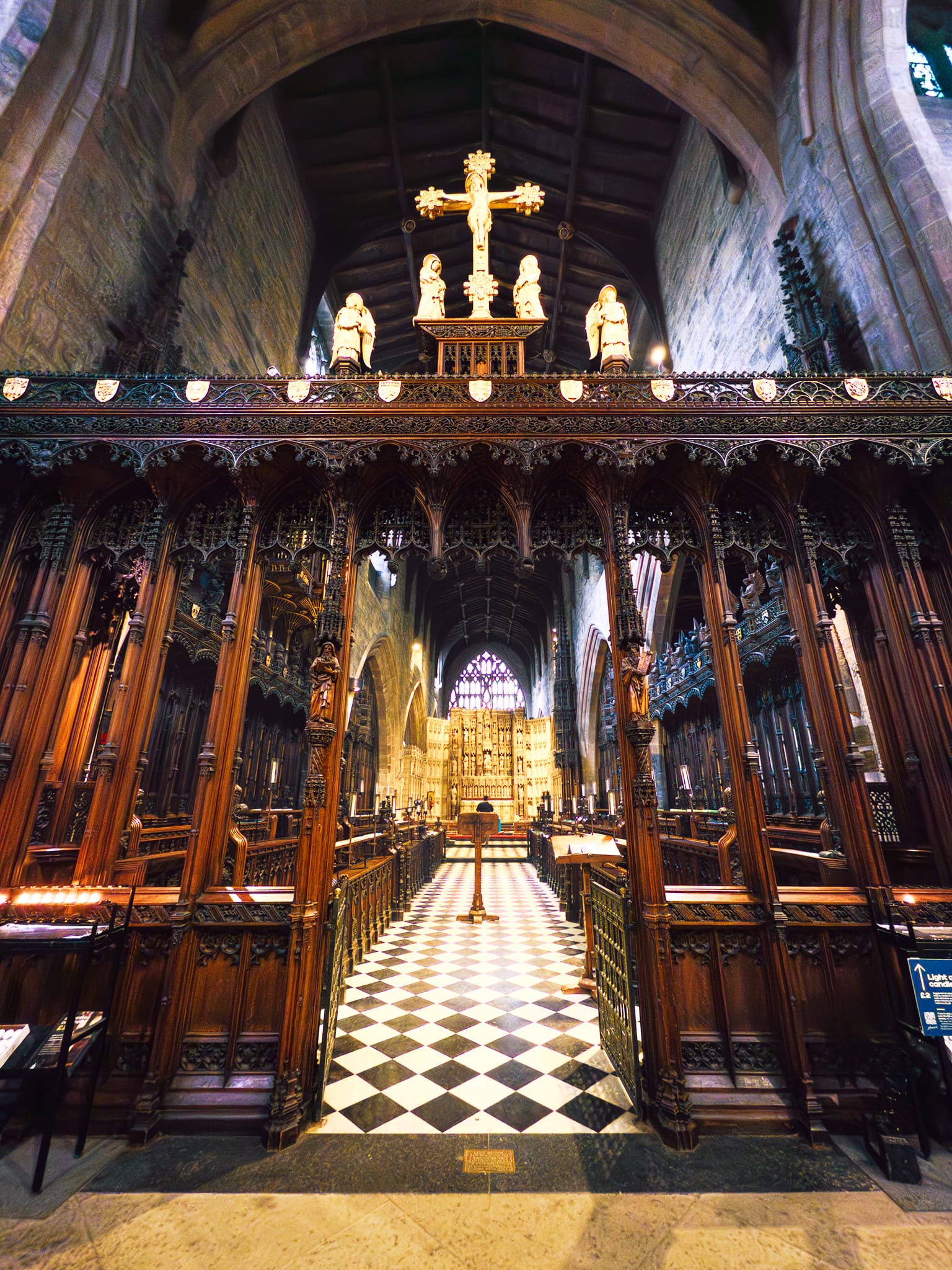
Looking through the cathedral’s Quire and its wooden screen towards the High Altar.
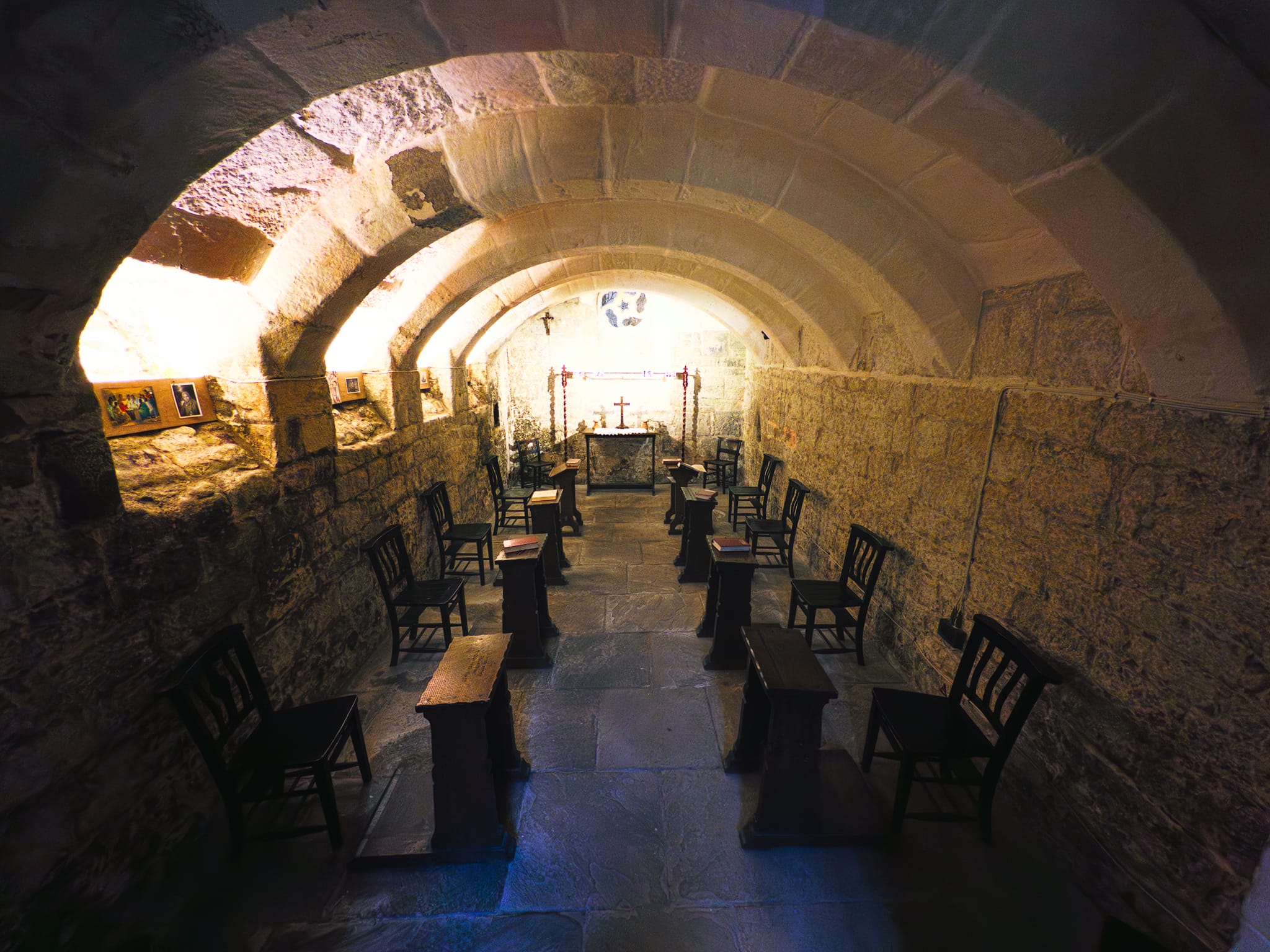
The Crypt Chapel beneath the cathedral. Dates back to the 14th century, probably the oldest part of the cathedral. It was rediscovered in 1824, when apparently it was filled to the brim with bones.